
Depression

Depression

$131.7M Awarded to Depression Research since 1987

The Latest Research Discoveries

Posted:

Posted:

Key Figures

332 million

Globally, an estimated 332 million people of all ages suffer from depression.*

21 million adults

In 2021, around 21 million adults age 18 or older in the U.S. experienced at least one major depressive episode in the prior year (8.3% of U.S. adults).*

Prevalence was higher among adult females (10.3%) compared to adult males (6.2%), and highest among adults aged 18-25 (18.6%).*

1 in 5

In 2021, about 5 million U.S. adolescents aged 12 to 17 had at least one major depressive episode (20.1% of the population aged 12 to 17).*

Prevalence was higher among adolescent females (29.2%) compared to males (11.5%).*

Meet a Researcher

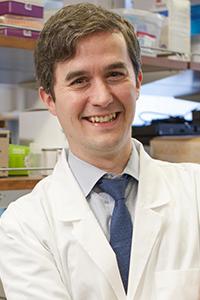
Mark S. George, M.D.

Mark S. George, M.D.

Mark S. George, M.D.

bbrf awards icon Title & Institution

Distinguished Professor of Psychiatry, Radiology and Neuroscience

Founding Director, Center for Advanced Imaging Research

Director, Brain Stimulation Laboratory, Psychiatry

Medical University of South Carolina

bbrf awards icon BBRF Awards & Recognition

Scientific Council Member (joined 2007)

2008 Falcone Prize for Outstanding Achievement in Affective Disorders Research (Colvin Prize)

1998 Independent Investigator Grant

1996 Young Investigator Grant

bbrf awards icon Bio

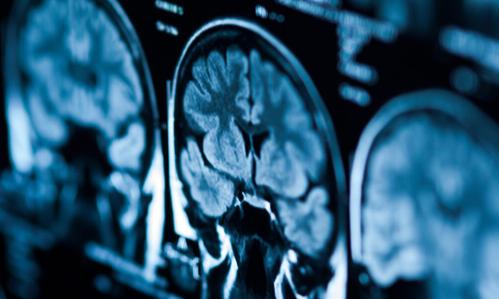
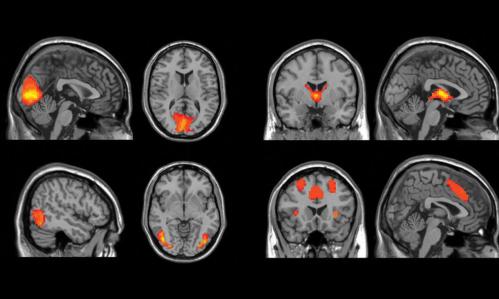
Mark S. George, M.D., is an expert in the use of brain imaging and stimulation to understand depression and devise new antidepressant treatments. In early research at the NIMH, he was one of the first scientists to expand the study of brain imaging technology for psychiatric disorders. He discovered specific brain changes that activated during normal emotions (orbitofrontal cortex, anterior cingulate, insula, medial prefrontal cortex, amygdala and hippocampus), and began exploring brain changes in depression and mania. This led to his using a noninvasive brain stimulation method, transcranial magnetic stimulation (TMS), for treating patients with treatment-resistant depression, as well as his work with other forms of brain stimulation such as vagus nerve stimulation (VNS), transcranial direct current stimulation (tDCS) and deep brain stimulation (DBS). His BBRF Young Investigator grant helped support his pioneering TMS research.

A RESEARCHER'S PERSPECTIVE: We Are Witnessing a Revolution in Brain Stimulation

December 8, 2022
By Mark S. George, M.D

Ask an Expert

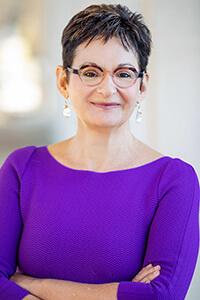
Joan L. Luby, M.D.

Joan L. Luby, M.D.

Joan L. Luby, M.D.

bbrf awards icon Title & Institution

Samuel and Mae S. Ludwig Professor of Psychiatry (Child)

Director and Founder, Early Emotional Development Program

Washington University School of Medicine in St. Louis

bbrf awards icon BBRF Awards & Recognition

Scientific Council Member (Joined 2018)

2020 Ruane Prize for Outstanding Achievement in Child and Adolescent Psychiatric Research

2008, 2004 Independent Investigator Grant

2004 Klerman Prize for Exceptional Clinical Research

1999 Young Investigator Grant

bbrf awards icon Bio

Dr. Joan Luby is the Samuel and Mae S. Ludwig Professor of Psychiatry (Child) at Washington University School of Medicine in St. Louis. She is the founder and director of the Washington University School of Medicine Early Emotional Development Program (EEDP). Dr. Luby’s research has focused on the characterization of early childhood psychopathology, early behavioral and biological markers of risk, and associated alterations in brain and emotional development in early childhood. In addition her program of research has informed the influence of the psychosocial environment on brain development, sensitive periods for these effects and implications for risk and early intervention for mental disorders. Dr. Luby’s contributions include establishing the criteria for identification, validation and early intervention in depressive syndromes in the preschool age group as well as studies in humans showing the effect of parental nurturance and early experiences of poverty on brain development. She has also developed and tested an early psychotherapeutic intervention for preschool depression.

Learn More About the Foundation

WhoWe Are

The Brain & Behavior Research Foundation is a global nonprofit organization focused on improving the understanding, prevention and treatment of psychiatric and mental illnesses.

Read more

OurImpact

Beginning in 1987, the Brain & Behavior Research Foundation was providing seed money to neuroscientists to invest in “out of the box” research that the government and other sources were unwilling to fund. Today, Brain & Behavior Research Foundation is still the leading, private philanthropy in the world in this space.

Read more

OurPeople

Meet the people who make up the Brain & Behavior Research Foundation. Our staff of experts, passionate Board of Directors, and Scientific Council which includes Nobel prize winners and chairs of psychiatric departments around the world.

Read More

Annual Report& Financials

We take our responsibility to our donors seriously and believe that our financial operations must be transparent. We're proud to say that 100% of your contribution for research is invested directly in research grants.

Read more

FAQs

Frequently Asked Questions about the Brain & Behavior Research Foundation.

Read more

MediaCenter

The latest news on brain and behavior research and issues that matter most to you.

Read more