



Small Pilot Trial Combining Cognitive Behavioral Therapy (CBT) With Psilocybin Yields Rapid, Significant, and Sustained Relief of Major Depression Symptoms
Small Pilot Trial Combining Cognitive Behavioral Therapy (CBT) With Psilocybin Yields Rapid, Significant, and Sustained Relief of Major Depression Symptoms
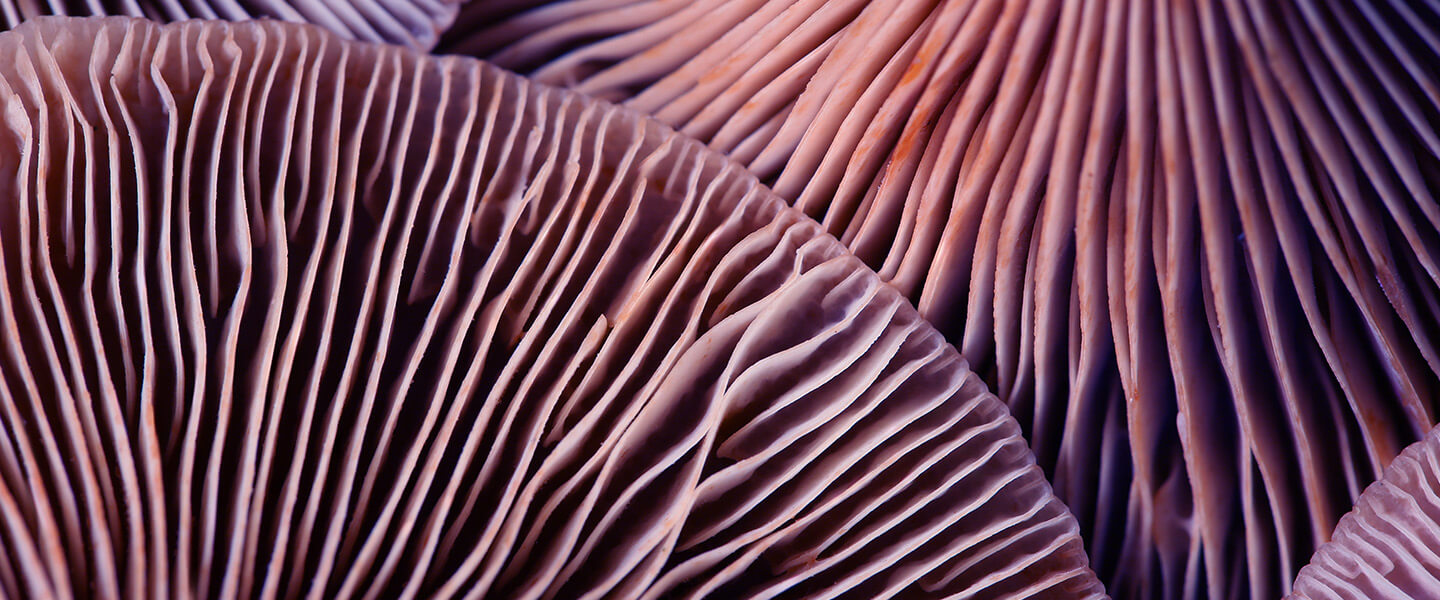


A research team led by BBRF grantees has published positive results of a small pilot trial that combined several months of cognitive behavioral therapy (CBT) for major depressive disorder (MDD) with two administrations of psilocybin, the psychedelic drug found in certain species of mushrooms.
A considerable number of clinical trials involving depressed patients have previously tested psilocybin combined with various forms of psychotherapy or psychological support. Those experiencing positive outcomes have sometimes experienced pronounced effects, with antidepressant “effect sizes” between 1.5 and 2 times those seen in psychotherapy alone or in treatments with standard antidepressant medicines.
One often noted problem with these preliminary explorations of psilocybin’s therapeutic potential has been a lack of standardization in psychotherapy procedure, which has made results in different trials difficult to compare, including analysis of the relative contributions to positive outcomes of the drug and the co-administered psychotherapy.
In general, “clinical trials of psilocybin to date have primarily focused on the drug component of combined [psilocybin-assisted] therapy, without examining the effect of the adjunctive psychotherapy” note authors of the paper in the Journal of Affective Disorders reporting results of the new study. “Ultimately, it has been difficult to know what psychotherapies have been used with psilocybin, and what these adjunctive treatments are doing.” The team was led by Marc J. Weintraub, Ph.D., a 2023 BBRF Young Investigator at UCLA; its senior member, also at UCLA, was David J. Miklowitz, Ph.D., the 2011 winner of the BBRF’s Colvin Prize, a 2001 BBRF Distinguished Investigator and 1987 BBRF Young Investigator.
The researchers set out to pair psilocybin with CBT, a standardized, evidence-based therapy that has been consistently associated with antidepressant effects in people with MDD. The “most profound effects” of CBT, they note, are in preventing or delaying depressive relapses. Among CBT’s virtues, in addition to its broad usage and carefully vetted impacts in depression and other mood disorders, is the fact that it is “manualized”: therapists who offer it can adhere to published procedures that reflect many years of practice and refinement. CBT had not previously been tested clinically as an adjunct to psilocybin for patients with MDD.
For this pilot trial, 16 participants were recruited, with current major depression symptoms that were rated as moderate in severity. There were no controls; all knew that they were receiving combined psilocybin and CBT therapy. The typical participant was in their early 40s. Three-fourths were White, 44% were female, and about two-thirds were college graduates. Four had co-morbid ADHD and nine had a comorbid anxiety disorder. Four had previously taken psilocybin, although none had used a psychedelic drug in the prior year. Those with bipolar depression were excluded from this test.
Psilocybin-assisted CBT was given over a 4-month period and included 12 one-hour sessions (9 weekly then 3 biweekly). Psilocybin, in capsule form, was administered after psychotherapy sessions 3 and 6—first at a dose of 10 mg and then at 25 mg in the second session if the patient did not have adverse reactions (none did). After assessment following completion of the 12 sessions, a follow-up assessment was made 3 months later.
Though the cohort was small, results were impressive. “Following weeks of psychotherapeutic preparation, psilocybin provided immediate and significant relief from mood and anxiety symptoms,” the team reported. The combined treatment “was rated as highly acceptable by participants and study clinicians, with no serious adverse events reported.”
Independent assessments indicated that 13 of the 16 participants showed at least moderate improvement in depressive symptoms (25% improvement or greater) by the end of treatment, by which time 9 had fully remitted from depression. Improvements in depression symptoms and in tests measuring psychosocial functioning after psilocybin was administered were maintained at the 3-month follow-up. The team found that changes in depression severity were correlated with improvements in emotion regulation and what they call “positive and negative cognitive schemas,” by which they mean the patient’s ability to think positively and to deemphasize negative self-conceptions. This suggests one possible way in which the psychedelic drug may have synergistic effects when administered in concert with CBT.
These results, in the team’s view, justify larger, randomized and placebo-controlled trials in which psilocybin is combined with CBT and other forms of standardized, evidence-based psychotherapy. It would make sense, they said, to try to more precisely account for psilocybin-specific antidepressant effects in subsequent tests. The team is currently taking this approach in a randomized trial that compares psilocybin-assisted CBT to psilocybin treatment with minimal psychotherapy. They also note it would be worth testing psilocybin with some of the patient groups excluded from this test, including people who are not physically healthy, those who are taking medicines that affect the serotonin system, and those who experience major depressive episodes in the context of bipolar disorder.
Having an evidence-based procedure for the trial, including “manualized” delivery of CBT and a consistent way of preparing participants for receiving and benefiting from the impacts of a psychedelic drug, are among the strengths of the reported trial. The first 3 sessions formed a “preparation module” which focused on education about psilocybin’s effects and discussion of “helpful mindsets for and responses to” the drug. Participants were presented with details of the full-day agenda for when the drug was to be administered, performed a “guided imagery exercise,” and were prompted to discuss their expectations. Clinicians assigned to each patient helped them integrate experiences and insights from the first (10 mg) psilocybin session and presented the rationale and trained participants in behavioral skills of CBT in sessions 4-6. The latter included developing therapeutic goals and engaging in behavioral skill practices such as behavioral activation and pleasant-events scheduling. This was followed by the second (25 mg) psilocybin session. Clinicians again helped patients integrate experiences and insights from the session and continued review and practice of behavioral skills in sessions 7-10. The latter included increasing cognitive awareness and cognitive reappraisal. In the final 2 sessions, participants were helped to develop a “prevention action plan containing anticipated stressors, early warning signs of major depression, and coping strategies learned in treatment.”
Procedures for the two psilocybin sessions, each 6 to 8 hours in duration, “followed standard procedure from the literature.” The participant was asked to lay on a couch with eyeshades and listen through headphones to preprogramed music in a living room-type space, while two clinicians monitored (one was leader of the patient’s CBT sessions). The clinicians remained with the participant for the full duration of the drug sessions, measuring vital signs hourly and providing emotional and/or physical support when needed. A study physician was on-call throughout each drug session.
