



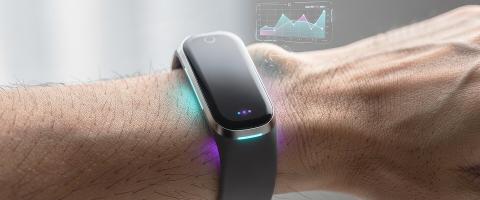
Bipolar disorder (BD) can be difficult to diagnose. Patients must experience at least one major depressive episode and at least one manic or hypomanic episode before a diagnosis can be confirmed. (…
Read More

Advances in personal digital devices and technologies continue to be translated into potential aids to diagnosis and treatment of psychiatric disorders. A recent example has been reported by…
Read More

A study in a large hospital system in Southern California finds that common methods of tracking care in emergency settings are missing many children and adolescents with self-injurious thoughts and…
Read More

Researchers have successfully tested a new method of predicting, prior to deployment, which soldiers serving in a combat zone are at greatest risk of developing PTSD in the months following their…
Read More
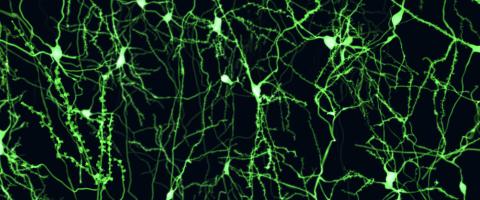
The symptoms of obsessive-compulsive disorder (OCD) can be debilitating. Those affected experience intrusive, distressing, and often irrational thoughts (“obsessions”) which are accompanied by…
Read More
