



Various mobile technologies and apps are making possible enhanced diagnosis and treatment of several brain and behavior disorders.
Read More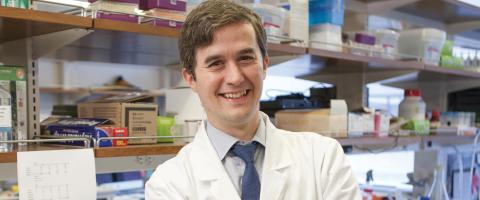
Dr. Conor Liston explains how antidepressant treatments, including ketamine, increase neural connections and modify functional connectivity in the brain, insights that may help predict and improve outcomes.
Read More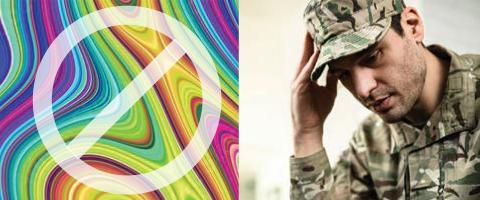
BBRF-funded researchers search for ways of harnessing potentially therapeutic effects of psychedelic drugs while minimizing or eliminating hallucinations and other unwanted side effects.
Read More
Dr. Helen Blair Simpson, a renowned expert on #OCD, explains how clinical trials have clarified which treatments are most effective, and how research is trying to improve upon them.
Read More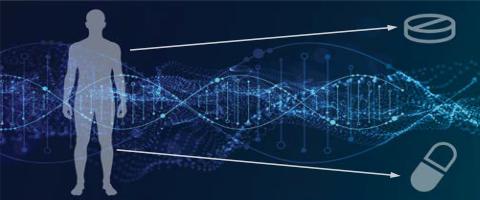
A 5-time BBRF grantee made discoveries that helped lead to a drug for tardive dyskinesia and genetic tests that match patients with medications most likely to help them.
Read More
Starting with problems faced by psychiatric patients, Dr. Akira Sawa and colleagues conduct research in the lab that seeks to bring solutions back to the clinic—a process known as “reverse translation.”
Read More
Dr. Scott Russo and colleagues are demonstrating how stress can cause pro-inflammatory immune cells that are manufactured outside the brain—in the body’s “periphery”—to invade the brain and adversely impact behavior
Read More
Dr. Sarah Sperry’s finding of considerable “mood instability” between major episodes of depression and mania/hypomania in bipolar disorder could lead to care approaches that may improve patients’ Lives.
Read More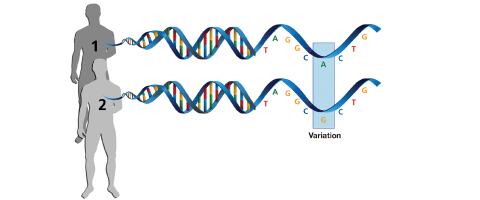
Dr. Sandra Sanchez-Roige explains how large-scale studies of genome variations have identified risk locations for substance use disorders. She also discusses the importance of converting these signals from the genome into biological understanding of mechanisms and vulnerabilities which may
Read More
Dr. Sarah Lisanby has been deeply involved in developing and improving the safety of life-saving neuromodulatory treatments including electroconvulsive therapy (ECT) and magnetic seizure therapy (MST) for severe psychiatric illness.
Read More