



Child and Adolescent Mental Health: What We Know and What Parents Can Do
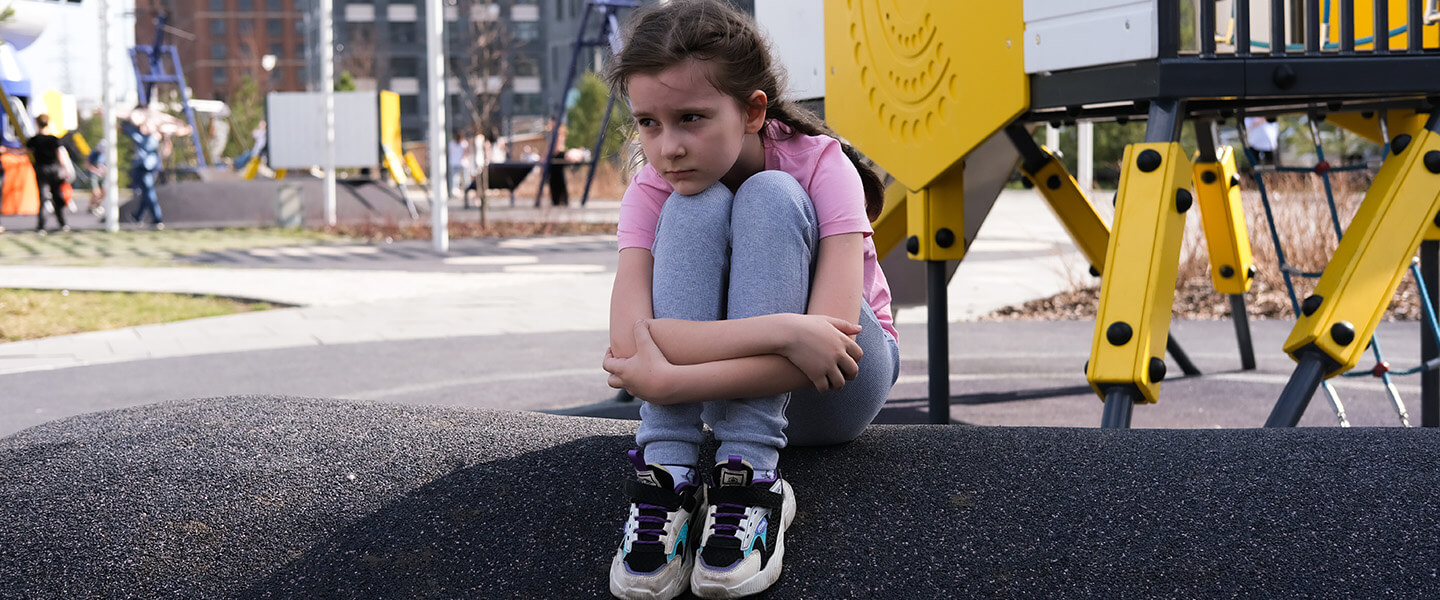
Protecting our children’s mental health is one of the most important and urgent concerns for parents today. Whether your child is a preschooler, in elementary school, or navigating the teenage years, mental health plays a critical role in their overall development and well-being.
Each stage of childhood brings different challenges and opportunities: moments to observe, to support, and — when needed — to intervene early.
Why Early Attention Matters
Mental health is not something that begins in adulthood. It develops alongside a child’s physical and emotional growth. Paying attention early allows parents to better understand what is typical and what may signal a need for additional support.
As Jeffrey Borenstein, M.D., President and CEO of the Brain & Behavior Research Foundation (BBRF) explains, “Mental health is an essential part of a child’s overall health. The earlier we recognize signs of distress and provide support, the better the outcomes can be.”
Early recognition can make a meaningful difference, helping to prevent more serious issues and supporting a child’s long-term resilience.
What Mental Health Challenges Can Look Like
Children and adolescents don’t always have the words to express what they are feeling. Instead, distress often shows up through behavior.
Symptoms of mental health challenges in children and teens may include:
- expressing fears or excessive worries
- becoming unusually quiet, withdrawn, or disengaged
- clinginess or difficulty separating from caregivers
- struggling to connect with peers or showing significant discomfort in social situations
- excessive shame or guilt
- changes in sleep or eating patterns
- repetitive behaviors or rigidity
- difficulty adapting to change
- avoiding activities or situations they would typically enjoy
While any one of these behaviors may be part of normal development, patterns that persist or intensify over time deserve attention.
“It’s Just a Phase”— Or Is It?
It can be tempting to assume that changes in mood or behavior are simply part of growing up. And sometimes, they are.
But when symptoms:
- last for weeks or longer
- interfere with school, friendships, or family life
- cause noticeable distress for your child
—it’s important not to dismiss them.
Trust your instincts. If something feels off, it’s worth exploring further.
What Parents Can Do
The good news is that parents play a powerful role in supporting their child’s mental health. You don’t need to have all the answers—what matters most is being present, observant, and responsive.
- Pay attention to changes
You know your child best. Notice shifts in behavior, mood, or functioning.
- Create a safe space for communication
Encourage open conversations. Let your child know they can talk to you without fear of judgment.
- Support emotional development
Help children name and understand their feelings. This builds emotional awareness and coping skills.
- Promote flexibility and resilience
Helping children develop resilience and flexibility is key. Encourage problem-solving, adaptability, and healthy ways to manage stress.
- Seek help when needed
If symptoms persist, don’t wait. Pediatricians, mental health professionals, and school counselors can provide guidance and support.
Building Resilience Starts Early
Resilience does not mean shielding children from every challenge. It means helping children develop the tools to manage difficulties and recover from them. Supportive relationships, consistent routines, and opportunities to build confidence all contribute to stronger mental health.
As Dr. Borenstein emphasizes, “When children feel supported and understood, they are better equipped to handle life’s challenges and build the resilience they need to thrive.”
Final Thoughts
There is no single “right way” to parent a child through emotional challenges. But staying informed, paying attention, and taking concerns seriously can make all the difference.
Mental health is just as important as physical health. By supporting it early, parents can help their children not only cope — but thrive.
Learn More:
For more information on child and adolescent mental health, including anxiety and depression, watch these episodes of the PBS television series Healthy Minds with Dr. Jeffrey Borenstein:
- Anxiety in Youth (featuring Daniel Pine, M.D.)
- Childhood Anxiety and Depression (featuring Joan L. Luby, M.D.)
Additional resources:
- ADHD: What You Need to Know: Q/A with Dr. Stephen Hinshaw
- Emotional Issues: Helping Children & Adolescents with Emotional Problems
- Anxiety & Depression: Warning Signs: What to Look for in Anxiety and Depression in Childhood
- For Parents and Teachers: Incorporating Universal Screening and School Based Mental Health Initiatives in the Classroom
