



GLP-1 Drug Semaglutide Substantially Reduced Heavy Alcohol Consumption and Weight in Patients with Alcohol Use Disorder and Obesity
GLP-1 Drug Semaglutide Substantially Reduced Heavy Alcohol Consumption and Weight in Patients with Alcohol Use Disorder and Obesity
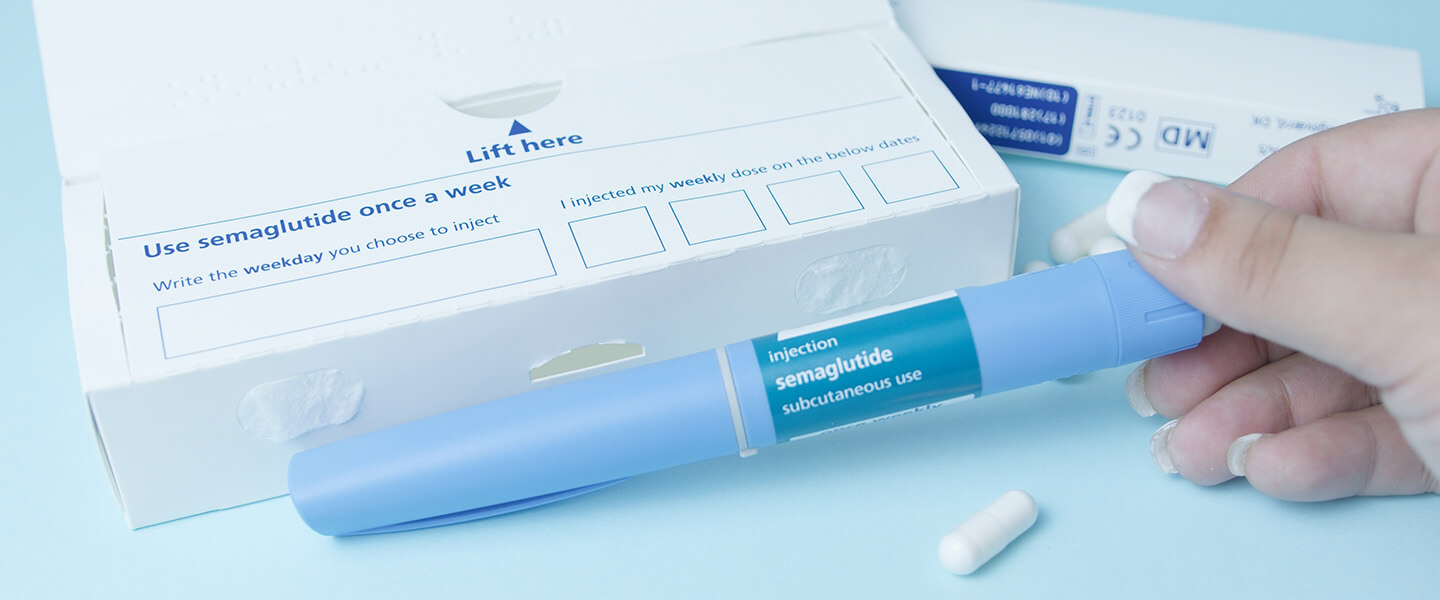


Researchers have reported positive results in the first clinical trial testing the diabetes and weight-loss medicine semaglutide (Ozempic, Wegovy) in treatment-seeking patents with alcohol use disorder (AUD) who were also obese.
Over the years, the FDA has approved three medicines for AUD: disulfiram, acamprosate, and naltrexone, which are only utilized by an estimated 2% of adults with AUD. These drugs work by reducing cravings or causing severe nausea when alcohol is consumed, but they are seldom prescribed for a variety of reasons. Researchers have been testing a range of alternatives, hoping to find therapies that will meet with much broader patient and physician acceptance.
There has been considerable interest in adapting semaglutide and other drugs in its class, which have a novel mechanism of action, targeting cellular receptors for a peptide called GLP-1. Stimulators (“agonists”) of the GLP-1 receptor have gained widespread attention for their effects on brain pathways involved in appetite regulation and reward. The GLP-1 peptide (a short chain of amino acids) is secreted by cells in the small intestine, but it is also synthesized in the brain. GLP-1 receptors are localized in brain areas involved in reward and addiction.
Several GLP-1 receptor agonists have shown significant reductions in alcohol consumption in animal models of alcohol addiction. In humans, one trial involved 48 patients with AUD, but they were not “treatment-seeking” individuals—they had no particular desire or motivation to reduce or cease their consumption of alcohol. Despite this, low-dose semaglutide was associated with a significant reduction in alcohol consumption over 2 months. In the only reported trial to date involving people with AUD who actively wished to reduce or cease drinking, a once-weekly GLP-1 agonist called exenatide did not result, in the overall group, in a reduction of the number of heavy drinking days, but the drug did enable those with AUD and obesity to do so.
This result became the starting point for the newly reported trial, which was conducted by a team led by Anders Fink-Jensen, M.D., DMSci, of Mental Health Centre Copenhagen and Copenhagen University in Denmark. The team included BBRF Scientific Council member Nora Volkow, M.D., a leading expert on addiction who is director of the NIH’s National Institute on Drug Abuse (NIDA); and George F. Koob, Ph.D., a 1999 BBRF Distinguished Investigator. Results were published in The Lancet.
The trial, which was randomized, double-blinded, and placebo-controlled, was conducted at the Mental Health Center Copenhagen. All of the 108 participants, evenly divided among men and women, with an average age of about 50 and nearly all White, were seeking to obtain professional help to reduce, control or stop alcohol abuse. All had a body/mass index, or BMI, of 30 or higher (30 is the lower limit of obesity), and were diagnosed (using DSM-V criteria) with alcohol use disorder. Participants had a minimum of 6 heavy drinking days during the 30 before the beginning of the trial (the average number was 17), and 85% met criteria for severe AUD.
They were randomized into two groups of 54, one receiving 26 weekly injections of semaglutide (2.4/mg per dose), the other receiving placebo injections. Up to 10 sessions of cognitive behavioral therapy (CBT) focusing on motivation and craving strategies as well as relapse prevention were available to every participant over the 26 weeks.
Assessments of the primary endpoint of the study—the number of heavy drinking days—was made at weeks 6, 12, 20, and 26. Secondary endpoints included changes in total alcohol consumption, number of days without alcohol, number of drinks per drinking day, and craving, among others (these included various metabolic measures and biomarkers).
Participants who received semaglutide had greater reductions in the number of heavy drinking days (41% fewer, on average) compared to those receiving placebo (26%.) The amount of alcohol consumed over the prior 30 days dropped by over 70% in the semaglutide group (from 78 ounces of 100% alcohol at baseline—the equivalent of 130 shots of 80-proof spirits over 30 days—to 23 ounces, or about 39 shots). In the placebo group, typical total consumption over 30 days declined by 46%, much less but still a substantial amount, reflecting the placebo effect, the desire to reduce drinking, and the fact that participants received CBT therapy over the course of the trial.
Mean number of drinks per drinking day also fell markedly in the semaglutide group, declining by 3.5 (vs. 2.1 in the placebo group). Biomarkers and metabolic measures also showed much greater improvement in the semaglutide group vs. the placebo group. The greatest benefit of semaglutide was seen in the subset of the cohort who reported 12-17 heavy drinking days per 30 days at baseline, as well as in the subset diagnosed with severe AUD. Risk levels for drinking established by the WHO, which are now used in FDA clinical trials for AUD therapies, were also noted to decline by two levels in the semaglutide group after 26 weeks of therapy. The WHO criteria reflect the aim of reducing harmful drinking in those who continue to misuse alcohol. The reductions noted in this trial, the team noted, were “associated with long-term reductions in alcohol-related negative consequences, improvement in mental health, and aligns with improvement in self-evaluated general and psychological health in the semaglutide group” in the trial, “although these improvements were modest.”
The most common adverse effects reported were gastrointestinal, and were more frequent in the semaglutide group, but most were short-lived, and none were severe.
In this trial, mean weight loss was comparable to that of individuals with obesity treated with semaglutide. Those receiving the drug lost about 25 pounds on average, vs. 5 pounds in the placebo group. Importantly, reduction in alcohol consumption was closely related to weight loss in the semaglutide group, although not in the placebo group. This is consistent, the team said, with the “prevailing hypothesis suggesting that [semaglutide’s] therapeutic effects arise from overlapping neurobiological mechanisms that modulate both metabolic regulation and reward-related pathways shared between obesity and alcohol use disorder.”
The team concluded: “Findings from this trial provide support for broadening the indication for semaglutide to [include] AUD in patients with a BMI of 30 or greater, which could benefit millions.” About 890 million adults globally have a BMI over 30, and in the U.S., 8 million adults are estimated to have obesity and high alcohol consumption.
Future studies will need to replicate and expand their results, the team said. Larger and more diverse patient cohorts are needed, lower dosages of semaglutide have to be tested, and follow-ups need to be conducted beyond 26 weeks.
