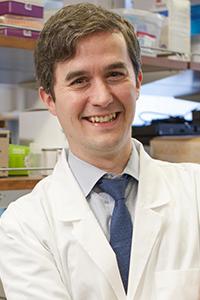

Shahrdad Lotfipour, Ph.D., began studying the pharmacology of drugs of abuse as part of a United States Fulbright Fellowship. This led him to graduate studies at the University of California where he studied the...
- Mental Illnesses
- Discoveries

- Finding Answers
- Recovery Stories
- NARSAD Grants & Prizes
- Apply for a NARSAD Grant
- Our Scientific Council
- NARSAD Young Investigator Grant
- NARSAD Independent Investigator Grants
- NARSAD Distinguished Investigator Grant
- Klerman & Freedman Prizes
- Outstanding Achievement Prizes
- Productive Lives Awards
- Productive Lives Nomination Form
- Frequently Asked Questions (FAQs)
- Get Involved
You are here
Mental Illnesses ›Depression
Did you know that almost 7% of the U.S. population is diagnosed with depression?
Clinical depression is a serious condition that negatively affects how a person thinks, feels, and behaves. In contrast to normal sadness, clinical depression is persistent, and significantly interferes with daily life. Untreated, symptoms can last for weeks, months, or years; and if inadequately treated, depression can lead to other health-related issues. Symptoms include: a depressed mood most of the day, every day; diminished interest in daily activities; changes in appetite and sleeping patterns; fatigue; restlessness; anxiety; feelings of worthlessness or helplessness; difficulty concentrating; increased alcohol or drug use; thoughts of death or suicide.
NARSAD Independent Investigator Louis-Eric Trudeau, Ph.D., and a team of researchers from the University of Montreal and McGill University have discovered a type of “cellular bilingualism” -- a phenomenon that allows a...
NARSAD-Funded Researchers Using Fiber-Optic Technology (‘Optogenetics’) Discover Novel Circuit in the Brain to Reduce Anxiety
NARSAD Scientific Council Member Karl Deisseroth, M.D., Ph.D., and NARSAD Young...
TIME.com Features PTSD Research Finding of NARSAD Scientific Council Member
NARSAD Scientific Council Member Kerry J. Ressler, M.D., Ph.D., led scientists in a discovery of why women may be more vulnerable to PTSD...
Cindy Warren was diagnosed with depression in 1999 after she attempted suicide. She had seen a therapist off-and-on before then, but her official diagnosis began a journey of failed treatments that seemed only to make her...
Pages
Stories of recovery

Meet our scientists

Ask an Expert
|
To date the Brain & Behavior Research Foundation has provided 949 grants worth $61,005,140 to researchers focused on depression and related mental illnesses. |

DONATE NOW |