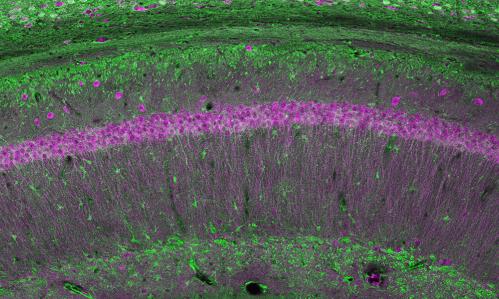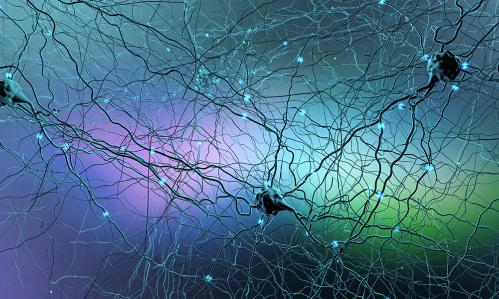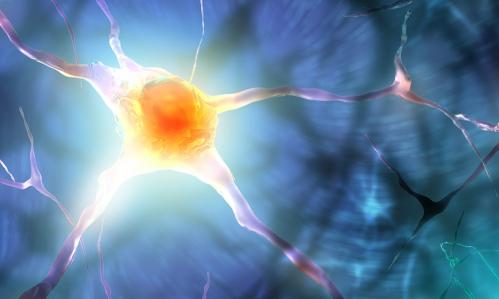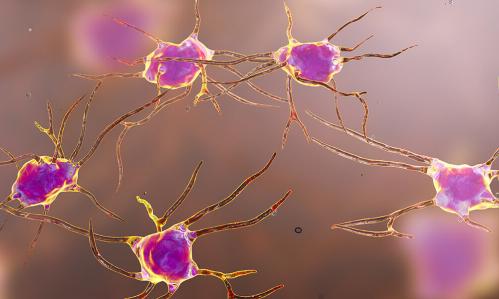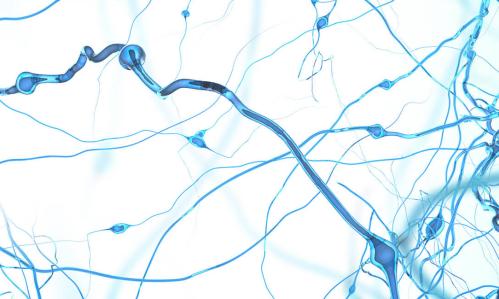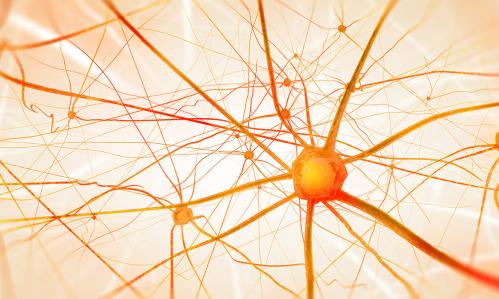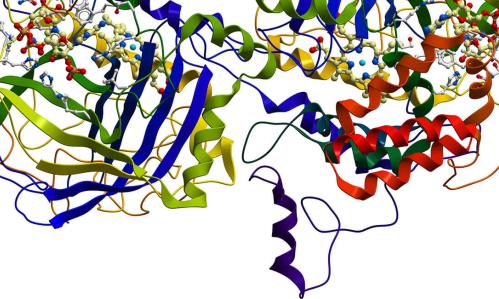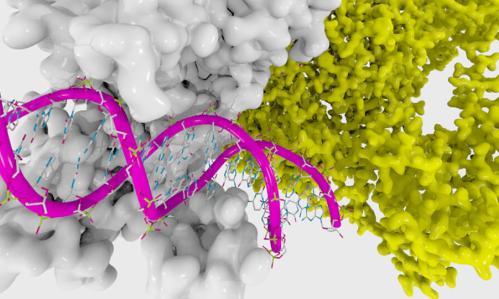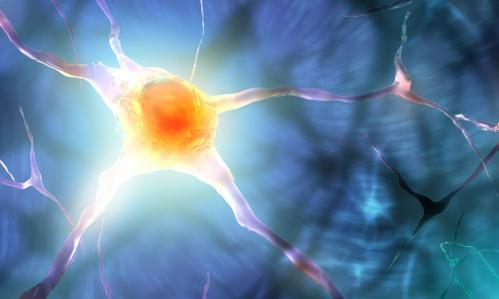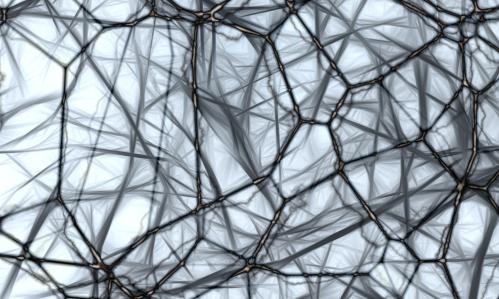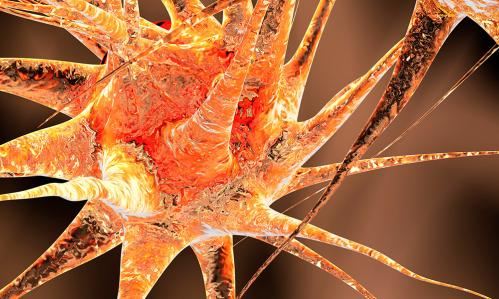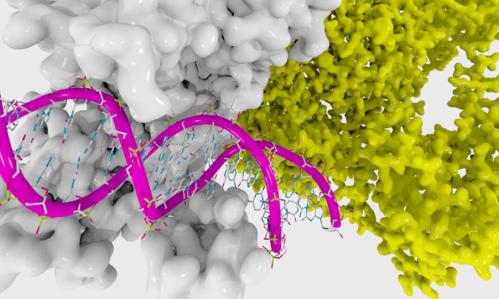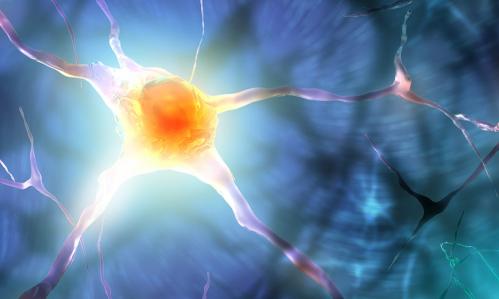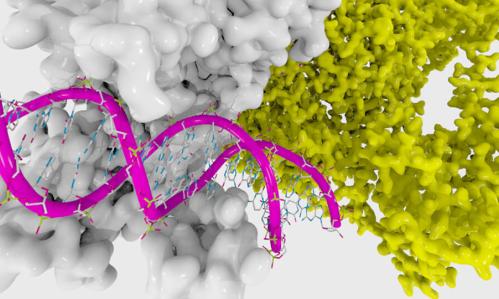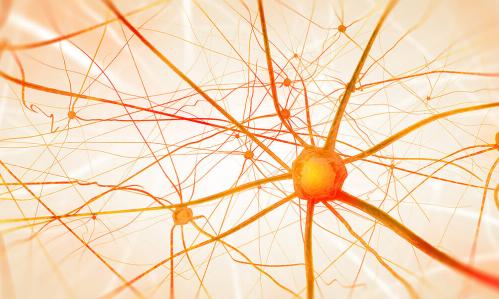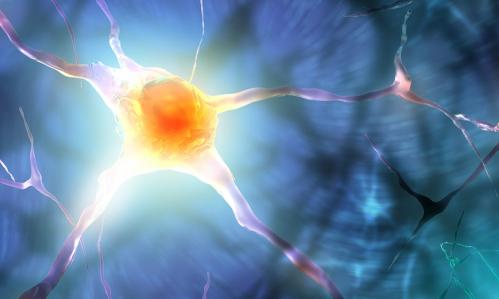

Brain cells suspected to malfunction in schizophrenia are surrounded by a tight-fitting molecular matrix. The exact role of this coating (or “perineuronal net”) was the focus of a study by Brain & Behavior Research...
- Mental Illnesses
- Discoveries

- Finding Answers
- Recovery Stories

- NARSAD Grants & Prizes
- Apply for a NARSAD Grant
- Our Scientific Council
- NARSAD Young Investigator Grant
- NARSAD Independent Investigator Grants
- NARSAD Distinguished Investigator Grant
- Klerman & Freedman Prizes
- Outstanding Achievement Prizes
- Productive Lives Awards
- Productive Lives Nomination Form
- Frequently Asked Questions (FAQs)
- Get Involved
You are here
Mental Illnesses ›Schizophrenia
Did you know that schizophrenia affects more than 1 percent of the world's population? See NARSAD Grants at work on the latest schizophrenia research
Schizophrenia is a severe, chronic, and generally disabling brain and behavior disorder. It is most accurately described as a psychosis - a type of illness that causes severe mental disturbances that disrupt normal thoughts, speech, and behavior. Schizophrenia is believed to be caused by a combination of genetic and environmental factors.
Positive symptoms may include delusions, thought disorders, and hallucinations. People with schizophrenia may hear voices other people don't hear, or believe other people are reading their minds, controlling their thoughts, or plotting to harm them. Negative symptoms may include avolition (a lack of desire or motivation to accomplish goals), lack of desire to form social relationships, and blunted affect and emotion. Cognitive symptoms involve problems with attention and memory, especially in planning and organization to achieve a goal. Cognitive deficits are the most disabling for patients trying to lead a normal life.
Visit the Schizophrenia Research Forum, fully sponsored by the Brain & Behavior Research Foundation—a virtual community of scientists collaborating in their quest for causes, improved treatments, and better understanding of schizophrenia.
Brain & Behavior Research Foundation Scientific Council Member and NARSAD Distinguished Investigator Grantee, Herbert Meltzer, M.D., recipient of the Foundation’s Lieber Prize for Outstanding Achievement in...
Brain & Behavior Research Foundation Scientific Council Member Stewart A. Anderson, M.D., co-led a study in which stem cells—cells that are capable of differentiating into a broad range of cell types—were influenced...
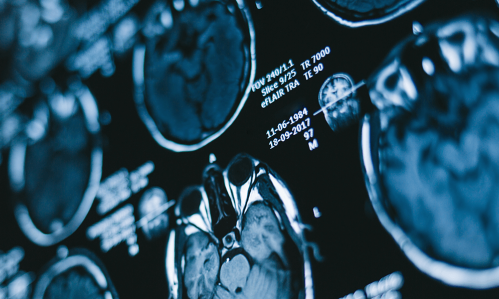
Schizophrenia, an illness estimated to affect 1 in 100 American adults annually, is both debilitating and difficult to diagnose. Psychiatric clinical evaluations based on behavioral symptoms have been the only way to...
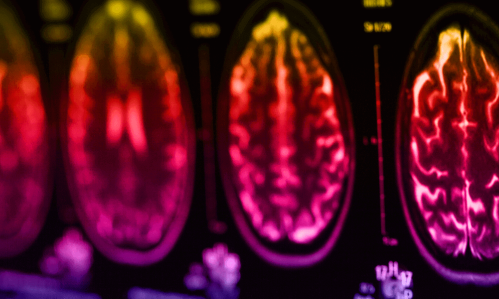
A diagnosis of schizophrenia is often preceded by a "prodromal" phase of the illness, in which milder symptoms are present for weeks or even years before developing into full-blown psychosis. With the use of brain imaging...
Pages
Stories of recovery
Meet our scientists

Ask an Expert
|
To date the Brain & Behavior Research Foundation has provided 2,153 grants worth $140,731,742 to researchers focused on schizophrenia and related mental illnesses. |

DONATE NOW |