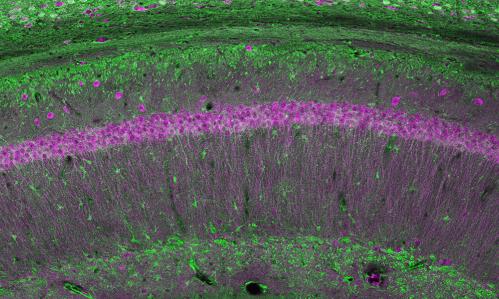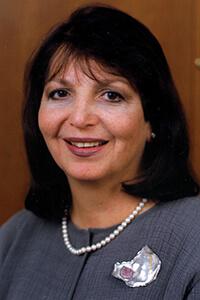

NARSAD Young Investigator Grantee, Alexander Niculescu, III, M.D., Ph.D. has led a team of scientists at the Indiana University School of Medicine in pinpointing the genes most responsible for schizophrenia. To identify and prioritize the genes reported Tuesday in the Nature journal Molecular Psychiatry, the researchers combined data from several different types of studies.
Schizophrenia
Did you know that schizophrenia affects more than 1 percent of the world's population?
Recent Brain & Behavior Research Foundation-funded research has led to:
- Identifying unique blood factors in schizophrenia that may lead to a reliable diagnostic test, enable early intervention and points toward prevention
- Improving drugs to treat the onset of schizophrenia through pharmacogenetics, an approach to understanding how people with different genetic backgrounds respond to different drugs
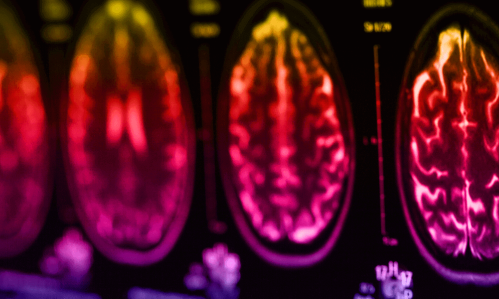
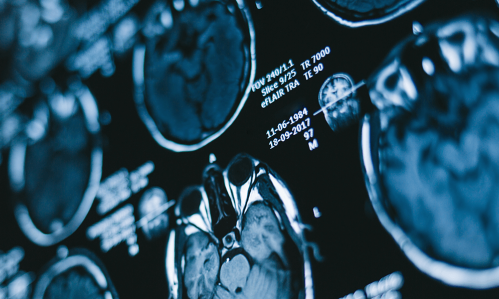
- Combining brain imaging and genetic studies to understand what factors increase the risk of developing schizophrenia
Visit the Schizophrenia Research Forum website, fully sponsored by the Brain & Behavior Research Foundation—a virtual community of scientists collaborating in their quest for causes, improved treatments, and better understanding of schizophrenia.
In findings recently published in Cell, 2010 NARSAD Independent Investigator Grantee, Guo-li Ming, M.D., Ph.D., and colleagues at Johns Hopkins University School of Medicine, demonstrate that people are nearly one and...
NARSAD distinguished Investigator Grantee, Aaron T. Beck, the 'Father of Cognitive Behavioral Therapy (CBT)’ proved that it can be used to help treat the 'negative' symptoms of schizophrenia. CBT was invented by Beck in the 1960s as a method of talk therapy aimed at solving problems related to dysfunctional emotional behaviors and cognitions - primarily associated with...
A hallmark symptom of schizophrenia is difficulty in distinguishing external reality from internal experiences. Whether or not this impairment is irreversible has long been debated. Now, a pilot study at the University of California, San Francisco, led by ...
The summer before Neil Barber’s junior year in high school, he and three of his buddies decided to experiment with marijuana. Neil’s dad, Greg, recalls the four of them getting “pretty rocked,” but Neil being the only one unable to recover. “Perhaps the marijuana was laced with something,” Greg wonders.
Pages
Stories of recovery
Meet our scientists

Ask an Expert
|
To date the Brain & Behavior Research Foundation has provided 2,153 grants worth $140,731,742 to researchers focused on schizophrenia and related mental illnesses. |
DONATE NOW |