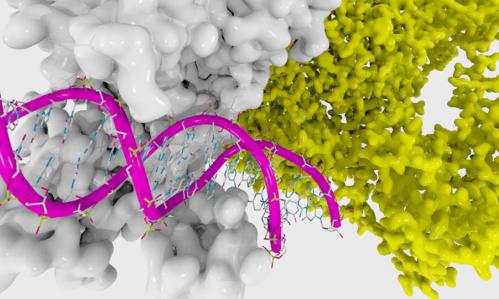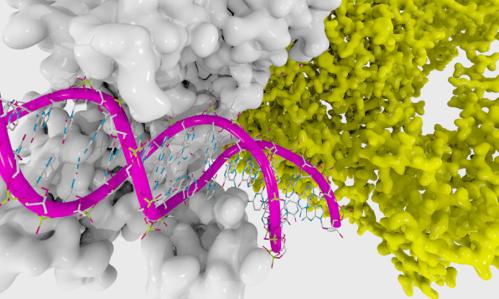

Brain & Behavior Research Foundation NARSAD Grantee Kathryn A. Cunningham, Ph.D., with her team at University of Texas Medical Branch (UTMB), Galveston and collaborators at the University of Houston (UH), has found a...
- Mental Illnesses
- Discoveries

- Finding Answers
- Recovery Stories
- NARSAD Grants & Prizes
- Apply for a NARSAD Grant
- Our Scientific Council
- NARSAD Young Investigator Grant
- NARSAD Independent Investigator Grants
- NARSAD Distinguished Investigator Grant
- Klerman & Freedman Prizes
- Outstanding Achievement Prizes
- Productive Lives Awards
- Productive Lives Nomination Form
- Frequently Asked Questions (FAQs)
- Get Involved
You are here
Mental Illnesses ›Depression
Did you know that almost 7% of the U.S. population is diagnosed with depression?
Clinical depression is a serious condition that negatively affects how a person thinks, feels, and behaves. In contrast to normal sadness, clinical depression is persistent, and significantly interferes with daily life. Untreated, symptoms can last for weeks, months, or years; and if inadequately treated, depression can lead to other health-related issues. Symptoms include: a depressed mood most of the day, every day; diminished interest in daily activities; changes in appetite and sleeping patterns; fatigue; restlessness; anxiety; feelings of worthlessness or helplessness; difficulty concentrating; increased alcohol or drug use; thoughts of death or suicide.
This week the New York Times reports the latest research progress on transcranial direct current stimulation (tDCS) as a treatment for resistant major depression. More than a decade of research into the mild...
On Tuesday, February 12, 2013, The Brain & Behavior Research Foundation presented a Meet the Scientist Webinar featuring Dr. Myrna Weissman of Columbia University. She presented an interactive presentation on "...
Building on findings from stem cell research in 2011 that helped explain how the brain can regenerate, NARSAD Grantees performed a sophisticated series of experiments and analyses that led them to discover a protein that...

Electroconvulsive therapy (ECT) has been used successfully for 70 years to relieve symptoms of major depression. Remarkably, though, precise details about how it acts on the brain to produce this effect was unknown—until...
Pages
Stories of recovery
Meet our scientists

Ask an Expert
|
To date the Brain & Behavior Research Foundation has provided 949 grants worth $61,005,140 to researchers focused on depression and related mental illnesses. |

DONATE NOW |