



Important Advances Funded Through BBRF Grants
2025
Foundation Highlight
We are pleased to present you with the 2025 Leading Research Achievements by BBRF Grantees, Prizewinners & Scientific Council Members.
View our 2025 Leading Research Achievements
This list illustrates some of the major research achievements from 2025.
In 2025 we funded $11.4 million in Young Investigator Grants. We expect the grant recipient scientists will make exciting discoveries over the next few years. Grantees are selected by our Scientific Council.
2024
Foundation Highlight
We are pleased to present you with the 2024 Leading Research Achievements by BBRF Grantees, Prizewinners & Scientific Council Members.
View our 2024 Leading Research Achievements
This list illustrates some of the major research achievements from 2024.
In 2024 we funded more than $10.4 million in Young Investigator Grants. We expect the grant recipient scientists will make exciting discoveries over the next few years. Grantees are selected by our Scientific Council.
2023
Foundation Highlight
We are pleased to present you with the 2023 Leading Research Achievements by BBRF Grantees, Prizewinners & Scientific Council Members.
View our 2023 Leading Research Achievements
This list illustrates some of the major research achievements from 2023.
In 2023 we funded more than $10.2 million in Young Investigator Grants. We expect the grant recipient scientists will make exciting discoveries over the next few years. Grantees are selected by our Scientific Council.
2022
Foundation Highlight
We are pleased to present you with the 2022 Leading Research Achievements by BBRF Grantees, Prizewinners & Scientific Council Members.
View our 2022 Leading Research Achievements
This list illustrates some of the major research achievements from 2022.
2021
Foundation Highlight
We are pleased to present you with the 2021 Leading Research Achievements by BBRF Grantees, Prizewinners & Scientific Council Members.
View our 2021 Leading Research Achievements
This list illustrates some of the major research achievements from 2021.
2020
Foundation Highlight
We are pleased to present you with the 2020 Leading Research Achievements by BBRF Grantees, Prizewinners & Scientific Council Members.
View our 2020 Leading Research Achievements
This list illustrates some of the major research achievements from 2020.
2019
Foundation Highlight
We are pleased to present you with the 2019 Leading Research Achievements by BBRF Grantees, Prizewinners & Scientific Council Members.
View our 2019 Leading Research Achievements
This list illustrates some of the major research achievements from 2019.
2018
Foundation Highlight
We are pleased to present you with the Top Advancements & Breakthroughs by Foundation Grantees, Prizewinners and Scientific Council members in 2018.
View our 2018 Top Advancements List
This list illustrates some of the major research achievements over the past year.
2017
2017 Research Highlights
No Term
We are pleased to present you with the Top Advancements & Breakthroughs by Foundation Grantees in 2017.
View our 2017 Top Advancements List
This list illustrates some of the major research achievements by our grantees over the past year.
2016
2016 Research Highlights
Foundation Highlight
We are pleased to present you with the Top 10 Advancements and Breakthroughs by Brain & Behavior Research Foundation Grantees in 2016.
This Top 10 list illustrates some of the major research achievements of our grantees over the past year.
2015
2015 Research Highlights
Foundation Highlight
We would like to share with you 15 Published Research Findings in 2015 featuring our NARSAD Grantees. Five of these publications were also selected by the New England Journal of Medicine’s Journal Watch Psychiatry Top Stories of 2015.
2014
2014 Research Highlights
Foundation Highlight
We are pleased to present you with the Top Advancements & Breakthroughs by Foundation Grantees in 2014.
2014
2014 Research Highlights
Next generation therapies
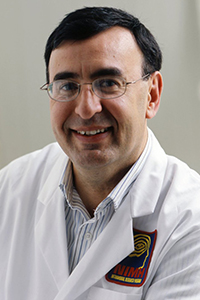
Dr. Zarate and colleagues gave a single dose of ketamine to 36 treatment-resistant patients with bipolar disorder. The drug, experimental in this application, worked remarkably well, reducing anhedonia —feelings of apathy and inability to enjoy oneself—within 40 minutes. The effect lasted up to two weeks and did not correlate with the status of other depressive symptoms. There is no approved treatment for anhedonia, which is also common in schizophrenia, Parkinson’s disease, drug addiction and mood and anxiety disorders.
 BBRF Awards & Recognition
Scientific Council Member (Joined 2019)
2011 Bipolar Mood Disorders Award Prizewinner (Colvin Prize)
2005 Independent Investigator Grant
1996 Young Investigator Grant
 Title & Institution
Chief, Experimental Therapeutics & Pathophysiology Branch and Section on the Neurobiology and Treatment of Mood Disorders
National Institute of Mental Health
BBRF Awards & Recognition
Scientific Council Member (Joined 2019)
2011 Bipolar Mood Disorders Award Prizewinner (Colvin Prize)
2005 Independent Investigator Grant
1996 Young Investigator Grant
 Bio
Bio
Carlos A. Zarate, M.D., a NARSAD Independent Investigator Grantee (2005), has pioneered revolutionary studies that have led to novel treatments for mood disorders such as depression and bipolar disorder that begin working much faster than previous options. Dr. Zarate is Chief of Experimental Therapeutics of the Mood and Anxiety Disorders Program at the National Institute of Mental Health (NIMH), and Clinical Professor of Psychiatry and Behavioral Sciences at George Washington University. With a strong focus on the pathophysiology of severe mental illnesses, his goal is to develop better treatments particularly for patients living with depression, bipolar disorder and/or other mood disorders. His research into a drug called Ketamine has resulted in rapid-acting depression treatments that work within hours and last 3-5 days or more. Because of the speed at which this drug reacts within the body and the duration of its effects, it is possible that emergency room doctors may have a possible treatment for those suffering from depression and acute suicidality.
“For me it’s an exciting time to be a researcher. We didn’t have much of these technologies even a decade ago and now we have all these options and possibilities. And that will definitely, and it has, led to an increased understanding of what are the causes of the illness, maybe what are potentially promising targets to develop better treatments. These things we didn’t have in recent past.”
Dr. Zarate was recognized for this discovery and his career of work at the Brain & Behavior Research Foundation National Awards Dinner in New York City in October 2011 with the Bipolar Mood Disorder Outstanding Achievement Prize (renamed the Colvin Prize for Outstanding Achievement in Mood Disorders Research in 2012).
2013
2013 Research Highlights
Basic Research
In 2013, NARSAD Grantee Kirsty Spalding, Ph.D., and team at the Karolinska Institutet in Stockholm, Sweden, used an innovative methodology to identify the “birth date” of neurons in deceased human brains. They found a way to “carbon date” neurons by testing brain specimens from deceased adult humans who lived through the middle of the last century, during a period of above-ground nuclear bomb testing and elevated atmospheric levels of carbon-14. The researchers were able to quantify the amount of carbon-14 stamped into DNA when a new neuron is born, essentially “carbon dating” the neurons.
BBRF Awards & Recognition
2007 Young Investigator Grant
Title & Institution
Senior researcher
BBRF Awards & Recognition
2007 Young Investigator Grant
2012
2012 Research Highlights
Diagnostic / Early intervention
Foundation Grantee Andrew Miller, M.D., is the senior author of a study that demonstrates improvements in symptoms of depression in patients with high inflammation levels. The study was published in the online version of Archives of General Psychiatry on September 3, 2012.

BBRF Awards & Recognition
2026 Colvin Prize for Outstanding Achievement in Mood Disorders Research
2017 Distinguished Investigator Grant
1997 Independent Investigator Grant
Title & Institution
William P. Timmie Professor of Psychiatry and Behavioral Sciences
Vice Chair of Research, Psychiatry and Behavioral Sciences
Director, Behavioral Immunology Program
co-Leader, Cancer Prevention and Control, Winship Cancer Institute
Emory University School of Medicine
BBRF Awards & Recognition
2026 Colvin Prize for Outstanding Achievement in Mood Disorders Research
2017 Distinguished Investigator Grant
1997 Independent Investigator Grant
Bio
Dr. Miller is an internationally recognized leader in the area of brain-immune interactions as they relate to depression in medically healthy as well as medically ill patients including patients with cancer. His work has demonstrated that during immune activation, inflammatory cytokines can access the brain and interact with the metabolism of dopamine and glutamate, while altering neurocircuits in the brain relevant to motivation and reward as well as anxiety and alarm. Dr. Miller has also studied the impact of cytokines on neuroendocrine regulation and sleep including the study of the specific signal transduction pathways involved. Additionally, Dr. Miller and his group conducted the first clinical trial examining the efficacy of a cytokine antagonist for the treatment of depression, providing a template for current clinical trials using immunotherapeutic strategies to treat mood disorders. Learn more.
2011
No Term
2011
New technologies
Hongjun Song, Ph.D., of the Johns Hopkins School of Medicine, is intrigued about niches in a brain structure called the hippocampus where stem cells live and can give rise to new neurons, a process called neurogenesis. With the support of a 2008 NARSAD Independent Investigator Grant, Dr. Song and team developed a genetic strategy for tracing the life cycle of precursor cells in the brain. What they found was that any single stem cell is capable of both replacing itself and of giving rise to both neurons and glia.
BBRF Awards & Recognition
2008 NARSAD Grantee
Title & Institution
BBRF Awards & Recognition
2008 NARSAD Grantee
2011
2011 Research Highlights
No Term
An Impressive Year of Progress: from establishing early intervention techniques and working toward diagnostic tools, to proving the effectiveness of next generation therapies, to advancing basic research and our understanding of how the brain functions and can malfunction, and continuing to refine the use of new technologies – this highlight of NARSAD-Grant funded discoveries in 2011 demonstrates how Foundation-funded research spans across research disciplines to better understand and treat all mental illness.
2008
Basic Research
BBRF Awards & Recognition
Scientific Council Member (Joined 2009)
2006 Distinguished Investigator Grant
Title & Institution
American Cancer Society Professor
Professor, Medical Genetics
Professor, Genome Sciences
Adjunct Professor, Epidemiology
Department of Medicine and the Department of Genome Sciences
University of Washington-Seattle
BBRF Awards & Recognition
Scientific Council Member (Joined 2009)
2006 Distinguished Investigator Grant
Bio
Mary-Claire King was the first to prove that breast cancer is inherited in some families as the result of mutations in the gene that she named BRCA1. In addition to inherited breast and ovarian cancer, her research interests include the genetic basis of schizophrenia and human genetic diversity and evolution. She also pioneered the use of DNA sequencing for human rights investigations, developing the approach of sequencing mitochondrial DNA preserved in human remains, then applying this method to the identification of kidnapped children in Argentina and subsequently to cases of human rights violations on six continents.
Dr. King received her Ph.D. in genetics from the University of California at Berkeley, where her dissertation in 1973 demonstrated that humans and chimpanzees are 99% genetically identical. Dr. King has served on the Advisory Committee to the Director of the National Institutes of Health and the National Commission on Breast Cancer of the President’s Cancer Panel.
2008
Next generation therapies
BBRF Awards & Recognition
Scientific Council Member (joined 2007)
2008 Falcone Prize for Outstanding Achievement in Affective Disorders Research (Colvin Prize)
1998 Independent Investigator Grant
1996 Young Investigator Grant
Title & Institution
Distinguished Professor of Psychiatry, Radiology and Neuroscience
Founding Director, Center for Advanced Imaging Research
Director, Brain Stimulation Laboratory, Psychiatry
Medical University of South Carolina
BBRF Awards & Recognition
Scientific Council Member (joined 2007)
2008 Falcone Prize for Outstanding Achievement in Affective Disorders Research (Colvin Prize)
1998 Independent Investigator Grant
1996 Young Investigator Grant
Bio
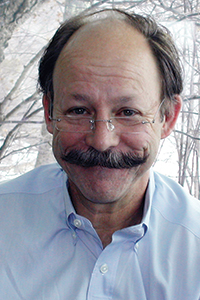
Mark S. George, M.D., is an expert in the use of brain imaging and stimulation to understand depression and devise new antidepressant treatments. In early research at the NIMH, he was one of the first scientists to expand the study of brain imaging technology for psychiatric disorders. He discovered specific brain changes that activated during normal emotions (orbitofrontal cortex, anterior cingulate, insula, medial prefrontal cortex, amygdala and hippocampus), and began exploring brain changes in depression and mania. This led to his using a noninvasive brain stimulation method, transcranial magnetic stimulation (TMS), for treating patients with treatment-resistant depression, as well as his work with other forms of brain stimulation such as vagus nerve stimulation (VNS), transcranial direct current stimulation (tDCS) and deep brain stimulation (DBS). His BBRF Young Investigator grant helped support his pioneering TMS research.
A RESEARCHER'S PERSPECTIVE: We Are Witnessing a Revolution in Brain Stimulation
December 8, 2022
By Mark S. George, M.D
2006
Next generation therapies
BBRF Awards & Recognition
Scientific Council Member (Joined 2019)
2011 Bipolar Mood Disorders Award Prizewinner (Colvin Prize)
2005 Independent Investigator Grant
1996 Young Investigator Grant
Title & Institution
Chief, Experimental Therapeutics & Pathophysiology Branch and Section on the Neurobiology and Treatment of Mood Disorders
National Institute of Mental Health
BBRF Awards & Recognition
Scientific Council Member (Joined 2019)
2011 Bipolar Mood Disorders Award Prizewinner (Colvin Prize)
2005 Independent Investigator Grant
1996 Young Investigator Grant
Bio
Carlos A. Zarate, M.D., a NARSAD Independent Investigator Grantee (2005), has pioneered revolutionary studies that have led to novel treatments for mood disorders such as depression and bipolar disorder that begin working much faster than previous options. Dr. Zarate is Chief of Experimental Therapeutics of the Mood and Anxiety Disorders Program at the National Institute of Mental Health (NIMH), and Clinical Professor of Psychiatry and Behavioral Sciences at George Washington University. With a strong focus on the pathophysiology of severe mental illnesses, his goal is to develop better treatments particularly for patients living with depression, bipolar disorder and/or other mood disorders. His research into a drug called Ketamine has resulted in rapid-acting depression treatments that work within hours and last 3-5 days or more. Because of the speed at which this drug reacts within the body and the duration of its effects, it is possible that emergency room doctors may have a possible treatment for those suffering from depression and acute suicidality.
“For me it’s an exciting time to be a researcher. We didn’t have much of these technologies even a decade ago and now we have all these options and possibilities. And that will definitely, and it has, led to an increased understanding of what are the causes of the illness, maybe what are potentially promising targets to develop better treatments. These things we didn’t have in recent past.”
Dr. Zarate was recognized for this discovery and his career of work at the Brain & Behavior Research Foundation National Awards Dinner in New York City in October 2011 with the Bipolar Mood Disorder Outstanding Achievement Prize (renamed the Colvin Prize for Outstanding Achievement in Mood Disorders Research in 2012).
2005
Basic Research
BBRF Awards & Recognition
Scientific Council Member (Joined 2012)
2010 Independent Investigator Grant
2005, 2002 Young Investigator Grant
Title & Institution
Chair, Department of Psychiatry
Psychiatrist-in-Chief
Weill Cornell Medicine / NewYork-Presbyterian/Weill Cornell Medical Center
BBRF Awards & Recognition
Scientific Council Member (Joined 2012)
2010 Independent Investigator Grant
2005, 2002 Young Investigator Grant
Bio
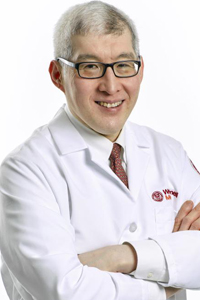
Dr. Lee is a pioneer in using cell biological and animal model systems to understand the pathophysiology of neuropsychiatric disorders. In particular, his research is focused on using genetic models to delineate the role of growth factors, including brain-derived neurotrophic factor (BDNF), in complex behaviors related to affective disorders. His laboratory has produced one of the first mouse models of a human genetic variant that has led to insights into the molecular and genetic basis of anxiety. This research provides a first step in using model systems of human genetic variants to test novel therapeutics, and also to devise biomarker strategies determining who will and will not respond to psychiatric medications.
Dr. Lee received his M.D. and Ph.D. from the University of Michigan, followed by psychiatry residency training at Payne Whitney Clinic and postdoctoral training in molecular neuroscience at New York University and the University of California, San Francisco.
2005
New technologies
BBRF Awards & Recognition
Scientific Council Member (Joined 2008)
2026 Nobel Prize in Physiology or Medicine
2013 Goldman-Rakic Prizewinner for Outstanding Achievement in Cognitive Neuroscience
2007, 2005 Young Investigator Grant
Title & Institution
D.H. Chen Professor of Bioengineering and of Psychiatry and Behavioral Sciences
Howard Hughes Medical Institute Investigator
Stanford University
BBRF Awards & Recognition
Scientific Council Member (Joined 2008)
2026 Nobel Prize in Physiology or Medicine
2013 Goldman-Rakic Prizewinner for Outstanding Achievement in Cognitive Neuroscience
2007, 2005 Young Investigator Grant
Bio
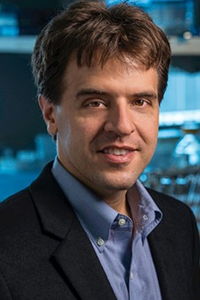
Dr. Deisseroth coined the term “optogenetics” to name the breakthrough technology he developed that uses light to control millisecond-precision activity patterns in genetically-defined cell types within the brains of freely moving animals. His laboratory and thousands of others around the globe are now applying this technology to probe the dynamics of neural circuits in both healthy and diseased brains.
Dr. Deisseroth received his bachelor’s degree, summa cum laude, from Harvard in 1992, his Ph.D. from Stanford in 1998, and his M.D. from Stanford in 2000. He completed postdoctoral training, medical internship and adult psychiatry residency at Stanford, and he was board-certified by the American Board of Psychiatry and Neurology in 2006. While continuing as a practicing psychiatrist specializing in mood disorders and autism-spectrum disease, Dr. Deisseroth teaches and serves as the chair of undergraduate education in bioengineering at the Stanford University School of Engineering.
2004
Next generation therapies
BBRF Awards & Recognition
Scientific Council Member (Joined 2009)
2017 Distinguished Investigator Grant
2009 Freedman Prizewinner for Exceptional Basic Research
2005, 2002 Young Investigator Grant
Title & Institution
Chief Scientific Officer
Chief, Division of Depression and Anxiety Disorders
James and Patricia Poitras Chair in Psychiatry
Director, Neurobiology of Fear Laboratory
McLean Hospital
Professor of Psychiatry
Harvard University
Professor
Emory University School of Medicine
BBRF Awards & Recognition
Scientific Council Member (Joined 2009)
2017 Distinguished Investigator Grant
2009 Freedman Prizewinner for Exceptional Basic Research
2005, 2002 Young Investigator Grant
Bio
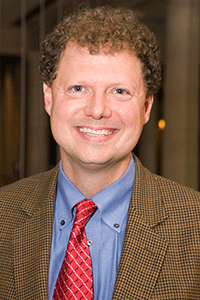
Dr. Ressler’s work focuses on translational research that bridges basic studies of the mechanisms of fear in animal models with clinical research on the genetics that underlie human fear and anxiety disorders, particularly post-traumatic stress disorder (PTSD). Based on the premise that the neurobiology of emotional learning provides tremendous insight into fear-related disorders, Dr. Ressler’s preclinical laboratory is examining the molecular neurobiology of brain systems that mediate fear and emotion in animals, concentrating on the amygdala, a key brain region involved.
Dr. Ressler received a bachelor’s degree in molecular biology at MIT and received an M.D., Ph.D. from Harvard Medical School. In 1992 at Harvard, he was the first student of Dr. Linda Buck, helping to identify the molecular organization of the odorant receptor family in mice, part of the body of work for which she shared the Nobel Prize in 2004.
Meet the Scientist Webinar
Updates on the Science Behind PTSD
2003
Basic Research
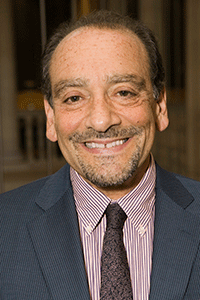
BBRF Awards & Recognition
Scientific Council Member (Joined 1997)
2000, 1990 Distinguished Investigator Grant
1993 Lieber Prizewinner for Outstanding Achievement in Schizophrenia Research
Title & Institution
Director and CEO
Lieber Institute for Brain Development
BBRF Awards & Recognition
Scientific Council Member (Joined 1997)
2000, 1990 Distinguished Investigator Grant
1993 Lieber Prizewinner for Outstanding Achievement in Schizophrenia Research
Bio
Dr. Weinberger’s research has focused on brain mechanisms involved in the pathogenesis and treatment of neuropsychiatric disorders, especially schizophrenia. He was instrumental in focusing research on the role of abnormal brain development as a risk factor for schizophrenia. His lab identified the first genetic effects that account for variation in specific human cognitive functions and in human temperament and identified brain mechanisms related to a number of genes that have been implicated in causing psychosis, including COMT, GRM3, KCNH2, DISC1, NRG1 and ERBB4. He and his colleagues developed the first high fidelity animal model of schizophrenia. In 2003, Science magazine highlighted the genetic research of his lab as the second biggest scientific breakthrough of the year, second to the origins of the cosmos.
Dr. Weinberger was formerly Director of the Genes, Cognition, and Psychosis Program of the Intramural Research Program at the NIMH.
2003
Next generation therapies
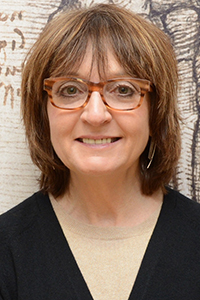
BBRF Awards & Recognition
Scientific Council Member (Joined 2004)
2007 Falcone Prize for Outstanding Achievement in Affective Disorders Research (Colvin Prize)
2002 Distinguished Investigator Grant
1995 Independent Investigator Grant
1991 Young Investigator Grant
Title & Institution
Professor, Neurology, Neurosurgery, Psychiatry and Neuroscience
Mount Sinai Professor of Neurotherapeutics
Director, Center of Advanced Circuit Therapeutics
Icahn School of Medicine at Mount Sinai
BBRF Awards & Recognition
Scientific Council Member (Joined 2004)
2007 Falcone Prize for Outstanding Achievement in Affective Disorders Research (Colvin Prize)
2002 Distinguished Investigator Grant
1995 Independent Investigator Grant
1991 Young Investigator Grant
Bio
Dr. Mayberg leads a multidisciplinary research program committed to defining the “neurology of depression.” Her imaging studies over the past 20 years have systematically examined functional abnormalities characterizing the disorder, as well as neural mechanisms mediating antidepressant response to various evidence-based treatments. The goal of her studies is to identify neurobiological markers predicting treatment response and optimized treatment selection. Her long-term interest in neural network models of mood regulation in health and disease led to the development of a new intervention for treatment-resistant patients using Deep Brain Stimulation (DBS), a study initiated at the University of Toronto and now continuing at Emory.
Dr. Mayberg received a B.A. in psychobiology from the University of California, Los Angeles, and an M.D. degree from the University of Southern California School of Medicine.
2002
Basic Research
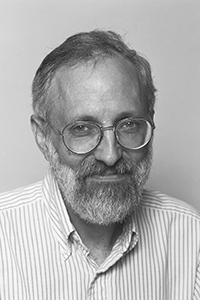
BBRF Awards & Recognition
Scientific Council Member Emeritus
2010, 2000 Distinguished Investigator Grant
1995 Lieber Prizewinner for Outstanding Achievement in Schizophrenia Research
Title & Institution
Banks Distinguished Professor of Psychiatry
Professor of Human Genetics
Medical College of Virginia / Virginia Commonwealth University
BBRF Awards & Recognition
Scientific Council Member Emeritus
2010, 2000 Distinguished Investigator Grant
1995 Lieber Prizewinner for Outstanding Achievement in Schizophrenia Research
Bio
Dr. Kendler’s research focuses on studies of psychiatric genetics in brain and behavior disorders such as schizophrenia, major depression, alcoholism, personality disorders and nicotine dependence. He utilizes methods ranging from family studies to large-sample population-based twin studies to molecular genetic studies aimed at identifying specific genes that influence the vulnerability to developing these illnesses. Data collection for these studies has been completed in Virginia, Ireland, China, Norway and Sweden.
Dr. Kendler has been involved in DSM-III-R, DSM-IV and most recently, DSM-5 where he chaired the Scientific Review Committee. Since 1996, he has served as Director of the Virginia Institute of Psychiatric and Behavioral Genetics. Before joining Virginia Commonwealth University, Dr. Kendler worked at the Mount Sinai School of Medicine.
2001
New technologies
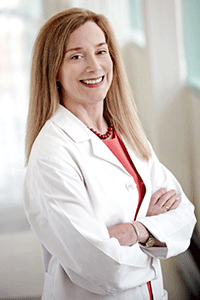
BBRF Awards & Recognition
Scientific Council Member (Joined 2013)
2005, 2002 Independent Investigator Grant
1998 Young Investigator Grant
Title & Institution
McLure Professor Of Psychiatry And Behavioral Research
Director, Center for Neuromodulation in Depression and Stress (CNDS)
University of Pennsylvania Perelman School of Medicine
BBRF Awards & Recognition
Scientific Council Member (Joined 2013)
2005, 2002 Independent Investigator Grant
1998 Young Investigator Grant
Bio
Dr. Yvette Sheline is known for her pioneering studies of hippocampal volume loss in major depression and the moderating effects of antidepressant treatment, work widely cited in psychiatric literature. Her research has also integrated structural/functional neuroimaging with depression course, neuropsychological correlates, and treatment outcomes. She seeks to determine how depression affects the brain using neuroimaging techniques, and to understand how stress produces functional dysregulation. Dr. Sheline investigates treatment effects of antidepressants and cognitive behavioral therapy on emotion-induced fMRI activity in PTSD and depression; longitudinal effects of treatment on neuropsychological and brain structural variables in late-life depression; and modifiers of brain amyloid binding in normal aging and preclinical Alzheimer’s Disease.
Prior to joining the faculty at Penn, Dr. Sheline was Professor of Psychiatry and Director, Center for Depression Stress and Neuroimaging at Washington University School of Medicine in St. Louis.
2000
Basic Research
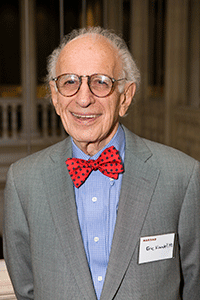
BBRF Awards & Recognition
Scientific Council Member (Joined 1998)
2014 Productive Lives Award
2005, 2000, 1995 Distinguished Investigator Grant
2000 Nobel Prize in Physiology or Medicine
Title & Institution
University Professor
Fred Kavli Professor and Director
Kavli Institute for Brain Science
Senior Investigator
Columbia University / Howard Hughes Medical Institute
BBRF Awards & Recognition
Scientific Council Member (Joined 1998)
2014 Productive Lives Award
2005, 2000, 1995 Distinguished Investigator Grant
2000 Nobel Prize in Physiology or Medicine
Bio
1999
Basic Research
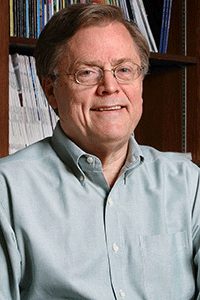
BBRF Awards & Recognition
2005 Goldman-Rakic Prize for Outstanding Achievement in Cognitive Neuroscience1998 Distinguished Investigator Grant
1998 Distinguished Investigator Grant
Title & Institution
Alfred E. Mirsky Professor
Head, Harold and Margaret Milliken Hatch Laboratory of Neuroendocrinology2005 Goldman-Rakic Prize for Outstanding Achievement in Cognitive Neuroscience
BBRF Awards & Recognition
2005 Goldman-Rakic Prize for Outstanding Achievement in Cognitive Neuroscience1998 Distinguished Investigator Grant
1998 Distinguished Investigator Grant
Bio
Dr. McEwen’s research has contributed significantly to elucidating the impact of stress and sex hormones on the brain’s chemistry and structure. Dr. McEwen’s emphasis is on the mechanisms underlying adaptive structural plasticity. Estrogens and androgens induce new synaptic connections in the brain. They also modulate, for better or worse, damage from stroke, head trauma and seizure, as well as age-related changes in brain function. In studying both stress and sex hormones as regulators of structural plasticity in the adult brain, Dr. McEwen and his team examine sex differences and how they develop, along with the influence of early life experiences, in affecting learning, memory and predisposition towards disease.
Dr. McEwen was an assistant professor at Rockefeller in 1966 and was named Alfred E. Mirsky Professor in 1999.
1996
Next generation therapies
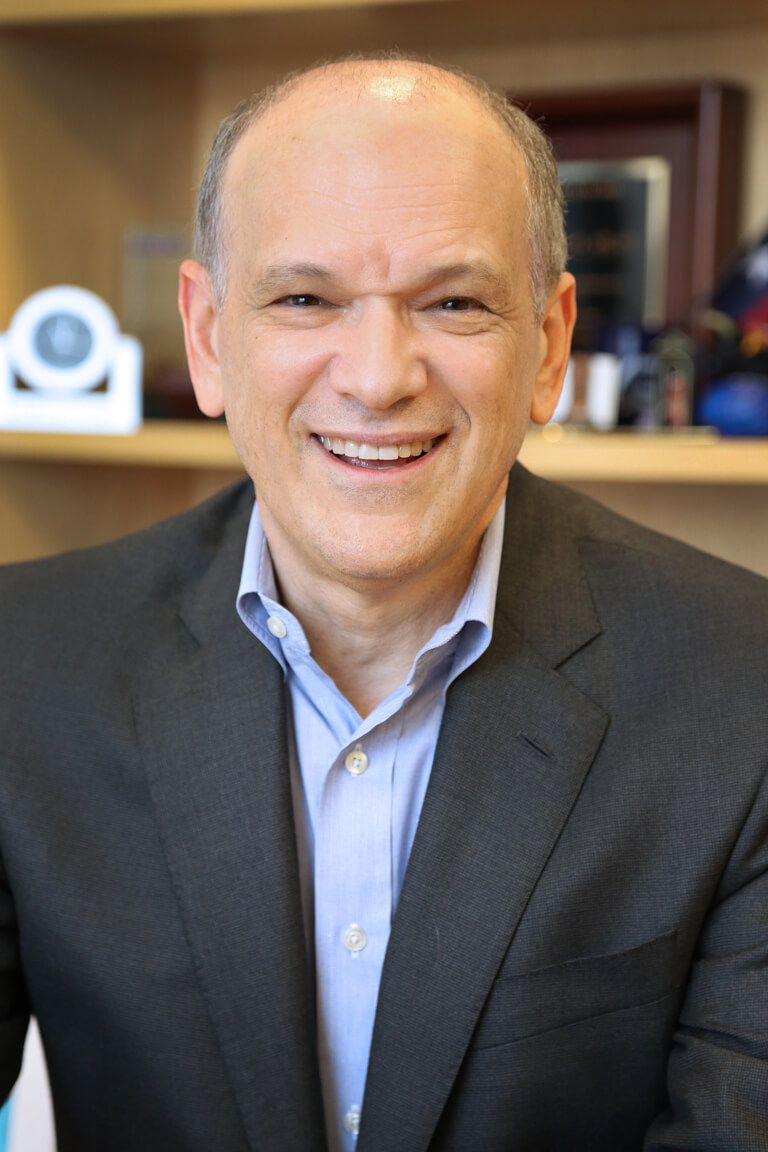
BBRF Awards & Recognition
Scientific Council Member (Joined 1997)
2009 Falcone Prize for Outstanding Achievement in Affective Disorders Research (Colvin Prize)
2008 Goldman-Rakic Prize for Outstanding Achievement in Cognitive Neuroscience Research
1996 Distinguished Investigator Grant
Title & Institution
Nash Family Professor of Neuroscience
Chair, Department of Neuroscience
Director, Friedman Brain Institute
Icahn School of Medicine at Mount Sinai
BBRF Awards & Recognition
Scientific Council Member (Joined 1997)
2009 Falcone Prize for Outstanding Achievement in Affective Disorders Research (Colvin Prize)
2008 Goldman-Rakic Prize for Outstanding Achievement in Cognitive Neuroscience Research
1996 Distinguished Investigator Grant
Bio
Dr. Nestler studies the molecular basis of addiction and depression in animal models, focusing on the brain pathways that regulate responses to natural rewards such as food, sex and social interaction. His research has established that drug- and stress-induced changes in genetic transcription factors and chromatin remodeling mechanisms in reward pathways mediate long-lived behavioral changes relevant to addiction and depression.
Before moving to Mount Sinai, Dr. Nestler was Chair of Psychiatry at the University of Texas Southwestern Medical Center at Dallas and the Director of the Abraham Ribicoff Research Facilities and the Division of Molecular Psychiatry at Yale.
1991
New technologies
BBRF Awards & Recognition
Scientific Council Member (Joined 2004)
2007 Falcone Prize for Outstanding Achievement in Affective Disorders Research (Colvin Prize)
2002 Distinguished Investigator Grant
1995 Independent Investigator Grant
1991 Young Investigator Grant
Title & Institution
Professor, Neurology, Neurosurgery, Psychiatry and Neuroscience
Mount Sinai Professor of Neurotherapeutics
Director, Center of Advanced Circuit Therapeutics
Icahn School of Medicine at Mount Sinai
BBRF Awards & Recognition
Scientific Council Member (Joined 2004)
2007 Falcone Prize for Outstanding Achievement in Affective Disorders Research (Colvin Prize)
2002 Distinguished Investigator Grant
1995 Independent Investigator Grant
1991 Young Investigator Grant
Bio
Dr. Mayberg leads a multidisciplinary research program committed to defining the “neurology of depression.” Her imaging studies over the past 20 years have systematically examined functional abnormalities characterizing the disorder, as well as neural mechanisms mediating antidepressant response to various evidence-based treatments. The goal of her studies is to identify neurobiological markers predicting treatment response and optimized treatment selection. Her long-term interest in neural network models of mood regulation in health and disease led to the development of a new intervention for treatment-resistant patients using Deep Brain Stimulation (DBS), a study initiated at the University of Toronto and now continuing at Emory.
Dr. Mayberg received a B.A. in psychobiology from the University of California, Los Angeles, and an M.D. degree from the University of Southern California School of Medicine.
1989
Next generation therapies
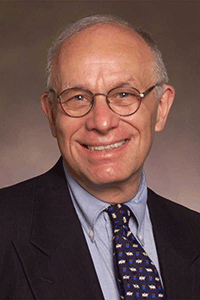
BBRF Awards & Recognition
2007, 2000, 1994, 1988 Distinguished Investigator Grant
1992 Lieber Prizewinner for Outstanding Achievement in Schizophrenia Research
Title & Institution
Professor of Psychiatry and Behavioral Sciences and of Physiology
Northwestern University Feinberg School of Medicine
BBRF Awards & Recognition
2007, 2000, 1994, 1988 Distinguished Investigator Grant
1992 Lieber Prizewinner for Outstanding Achievement in Schizophrenia Research
Bio
Dr. Meltzer directs a multifaceted research program in schizophrenia and bipolar disorder which is devoted to developing more effective treatments. He is one of a few clinical researchers also heavily engaged in basic research. He is particularly renowned for having been the principal investigator of the seminal trials that led to the approval of clozapine for treatment-resistant schizophrenia (1988) and patients who are at high risk for suicide (2003). He also is credited with articulating the theory that atypical antipsychotics such as clozapine owe much of their advantage over typical drugs to the balance between serotonin and dopamine receptor blockade (1989). Dr. Meltzer is an active clinician who directs the clinical trial research effort at mental health centers in Chicago and Cleveland.
Prior to joining Northwestern, Dr. Meltzer taught at Vanderbilt University, where he also directed the psychosis program.
