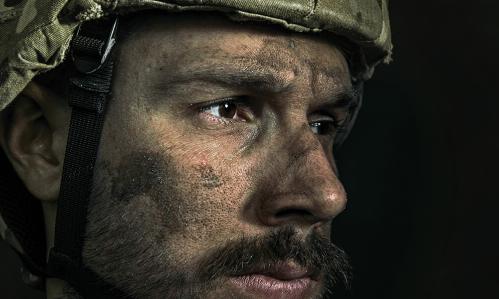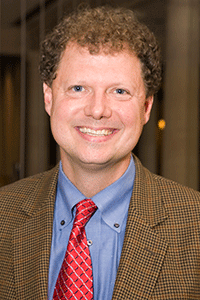

Allen Zeitlin is a third year med student at Michigan State University in Grand Rapids, with interests in psychiatry and neurology. This has a lot to do with the time he spent in the Middle East, serving in the military...
You are here
Mental Illnesses ›Post-Traumatic Stress Disorder (PTSD)
Did you know that almost half of all Americans with Post-Traumatic Stress Disorder (PTSD) are receiving minimally adequate treatment?
Post-traumatic stress disorder (PTSD) develops after a terrifying ordeal that involved physical harm or the threat of physical harm. The person who develops PTSD may have been the one who was harmed, the harm may have happened to a loved one, or the person may have witnessed a harmful event that happened to loved ones or strangers.
A team led by NARSAD Independent Investigator Grantee Alexander Neumeister, M.D., has provided evidence of dysfunction in a key brain system linked with the occurrence of PTSD. This new discovery holds promise as a target...
With PTSD now at epidemic levels, ABC News features Foundation-funded researcher Thomas Neylan, M.D. of the San Francisco VA Medical Center discussing recent findings that PTSD is linked to a higher incidence of various...
NARSAD Scientific Council Member Kerry J. Ressler, M.D., Ph.D., and fellow researchers have found that high blood levels of a hormone produced in response to stress are linked to post-traumatic stress disorder (PTSD) in...
In January NARSAD announced grant awards to 214 new Young Investigators. Totaling $12.6 million, these grants are part of the continued investment NARSAD makes in brilliant researchers with the most promising ideas to...
Pages
Stories of recovery
Meet our scientists

Ask an Expert
|
The Brain & Behavior Research Foundation has provided more than 4,000 grants worth $275,947,302 to researchers studying brain and behavior disorders worldwide. |
DONATE NOW |