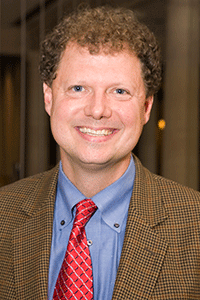

NARSAD Distinguished Investigator Grantee and professor of psychology Michael S. Fanselow, Ph.D., with NARSAD Young Investigator Grantee Stephanie Bissiere, Ph.D. and research team at the University of California Los...
- Mental Illnesses
- Discoveries

- Finding Answers
- Recovery Stories

- NARSAD Grants & Prizes
- Apply for a NARSAD Grant
- Our Scientific Council
- NARSAD Young Investigator Grant
- NARSAD Independent Investigator Grants
- NARSAD Distinguished Investigator Grant
- Klerman & Freedman Prizes
- Outstanding Achievement Prizes
- Productive Lives Awards
- Productive Lives Nomination Form
- Frequently Asked Questions (FAQs)
- Get Involved
You are here
Mental Illnesses ›Post-Traumatic Stress Disorder (PTSD)
Did you know that almost half of all Americans with Post-Traumatic Stress Disorder (PTSD) are receiving minimally adequate treatment?
Post-traumatic stress disorder (PTSD) develops after a terrifying ordeal that involved physical harm or the threat of physical harm. The person who develops PTSD may have been the one who was harmed, the harm may have happened to a loved one, or the person may have witnessed a harmful event that happened to loved ones or strangers.
NARSAD Grantees Elisabeth B. Binder, M.D., Ph.D. of Emory University and the Max-Planck Institute for Psychiatry and Kerry J. Ressler, M.D., Ph.D., Emory University and their team found differences in genetic expression...
The experience of trauma during teen years is a known risk factor for the later development of Post-Traumatic Stress Disorder (PTSD). The National Institutes of Health reported in 2005 that PTSD (an often debilitating...
Brain & Behavior Research Foundation Scientific Council Member and three-time NARSAD Grantee, Rene Hen, Ph.D. of Columbia University Medical Center (CUMC) led a team of researchers that may have found a way to reduce...
“I’m a big believer in mothers.”
This is Dr. Dennis Charney speaking, and it is a remark that both charms and disarms the listener—so down to earth, yet coming from one of the most sophisticated and accomplished...Pages
Stories of recovery

Meet our scientists

Ask an Expert
|
The Brain & Behavior Research Foundation has provided more than 4,000 grants worth $275,947,302 to researchers studying brain and behavior disorders worldwide. |
DONATE NOW |