


Home Page
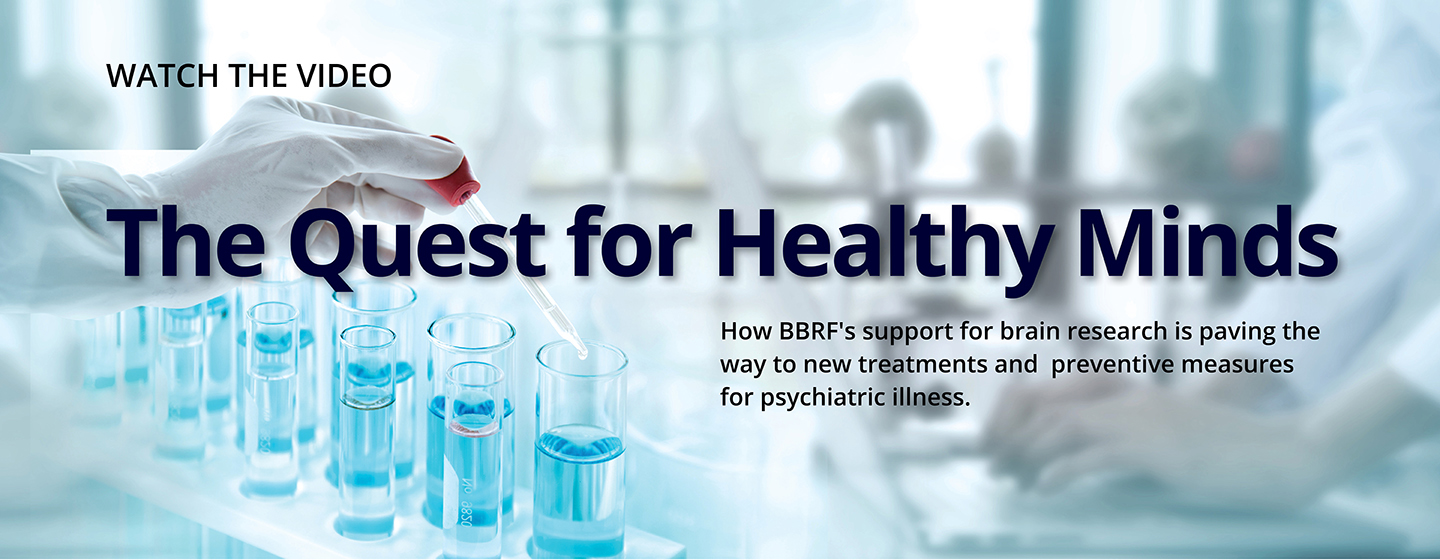
1 in 5 of Us Lives With a Mental Illness
Grants are awarded three times/year. Total dollars awarded are updated annually.
The Latest Research Discoveries




Key Figures

$450+ million
Since 1987, the Foundation has awarded more than $450 million to fund more than 6,500 grants to more than 5,400 leading scientists around the world.

Nearly 1 in 5 adults
More than 18% of adults in the U.S. experience mental illness in a given year.*
* Source: National Institute of Mental Health

20% of children
Just over 20 percent of children, either currently or at some point during their life, have had a seriously debilitating mental disorder.*
* Source: National Institute of Mental Health

450 million people
More than 450 million people around the world live with mental illnesses.*
* Source: World Health Organization
Follow Us
News and Events
Webinar
Tuesday, February 13, 2024
show-row-1



Foundation Event
Friday, October 28, 2022
show-row-1
Webinar
Tuesday, December 14, 2021
show-row-1
Webinar
Tuesday, November 9, 2021
show-row-1
Webinar
Tuesday, August 10, 2021
show-row-1
Webinar
Tuesday, July 13, 2021
show-row-1

Blog
show-row-1
Webinar
Tuesday, May 11, 2021
show-row-1
Donate Now

Awarding Grants for scientific research
100% of every donation for research goes to research