



Deep Brain Stimulation (DBS), A 'Pacemaker for the Brain' to Treat Depression
Deep Brain Stimulation (DBS), A 'Pacemaker for the Brain' to Treat Depression
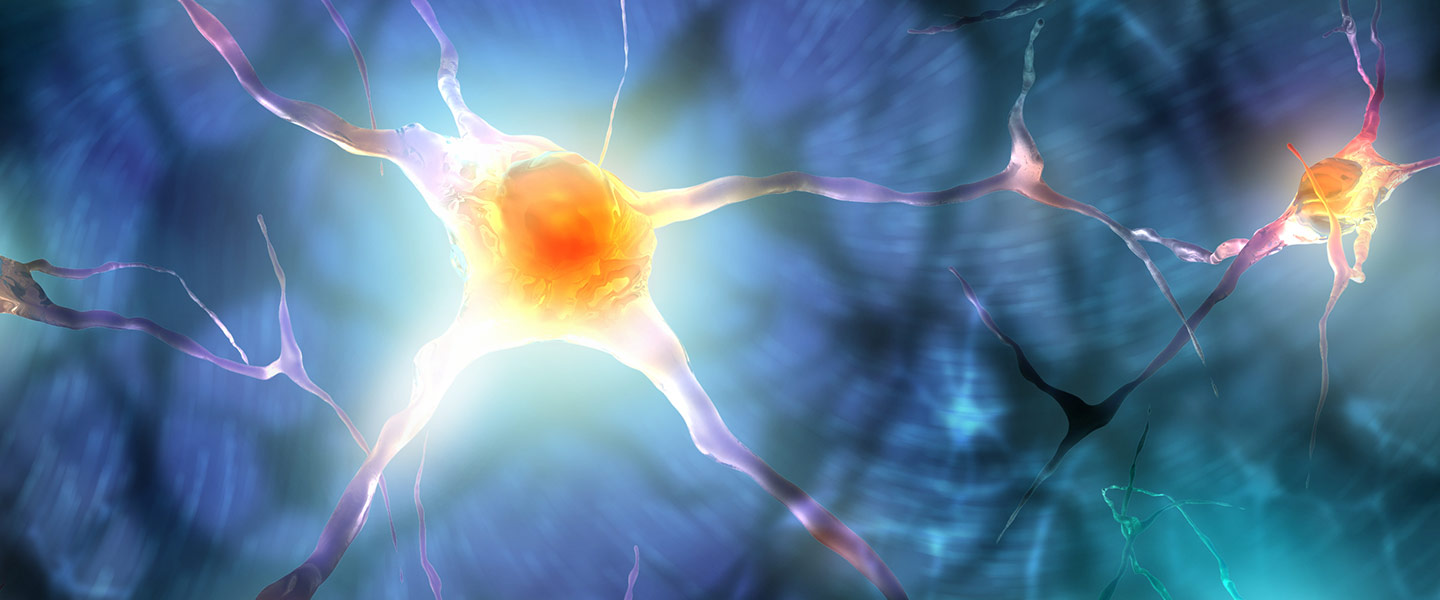
Deep Brain Stimulation (DBS) was developed in the late 1980s; however, it was not tested as a potential treatment for resistant depression until Helen Mayberg, M.D., used a NARSAD Distinguished Investigator Grant in 2003 to do pilot studies. Dr. Mayberg hypothesized that DBS could be targeted to a section of the brain called the subcallosal cingulate (also known as “Brodmann Area 25”) that she had identified as linked to depression in earlier research. By targeting this area, depression symptoms in patients have been greatly reduced and in some cases, patients are in complete remission.
In DBS, a pair of electrodes is implanted in the brain and connected by wires to a pair of pulsing devices in the chest (this is why it is sometimes described as a pacemaker for the brain). The electrodes emit a sort of jamming signal to brain circuits thought to be involved in depression while leaving other circuits intact.
In 2014, Dr. Mayberg presented Deep Brain Stimulation (DBS) & Depression: A Decade of Progress as part of our Meet the Scientist Webinar Series.
Read a "Research News Update" about Deep Brain Stimulation.
Read a scientific summary of Dr. Mayberg's original study.
NPR featured a great article on the advancements of DBS and Dr. Mayberg's work.
Read an amazing story of recovery featuring a woman who underwent DBS for her severe depression. CNN featured this story:
