- Mental Illnesses
- Discoveries
- Finding Answers
- Recovery Stories
- NARSAD Grants & Prizes
- Apply for a NARSAD Grant
- Our Scientific Council
- NARSAD Young Investigator Grant
- NARSAD Independent Investigator Grants
- NARSAD Distinguished Investigator Grant
- Klerman & Freedman Prizes
- Outstanding Achievement Prizes
- Productive Lives Awards
- Productive Lives Nomination Form
- Frequently Asked Questions (FAQs)
- Get Involved
You are here
Finding Answers ›With regard to your research finding of an epigenetic signature of autism, can you tell me what this means for early diagnosis and treatment?
Presently, our findings have no implications yet for early diagnosis and treatment. Like all other research, our findings will have to await replication and confirmation by independent research groups. Furthermore, we studied brain specimens that were provided by the Autism Tissue Program. To find out whether our findings in the brain specimens are useful for early diagnosis and treatment, we would first need to find out if there are similar epigenetic signatures of disease in blood or skin cells that then could be tested in a clinical setting.
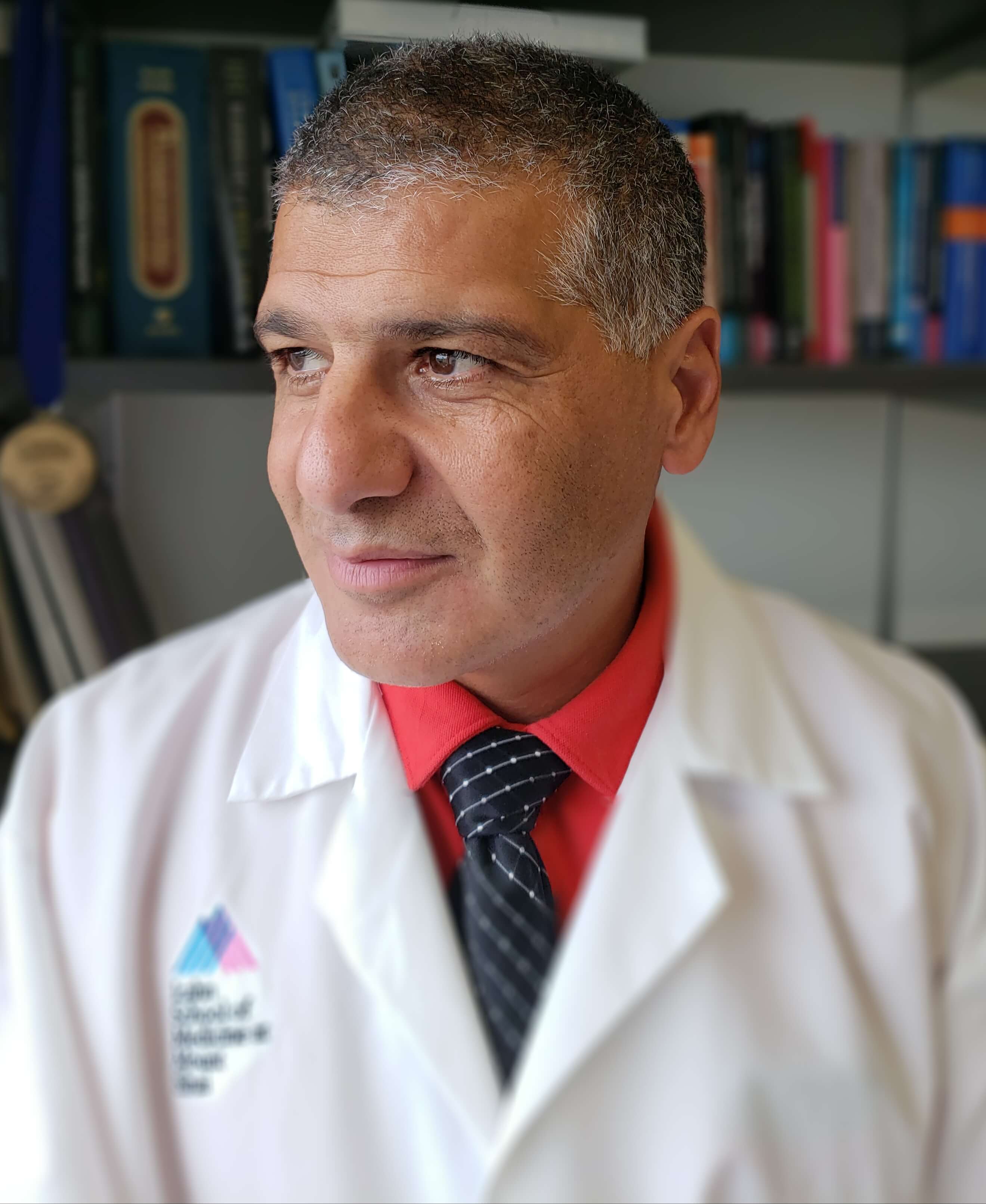
Schahram Akbarian, M.D., Ph.D.
Scientific Council Member
1993, 2000 NARSAD Young Investigator Grantee
1997 Klerman Prizewinner
Professor of Psychiatry and Neuroscience
Chief of the Division of Psychiatric Epigenomics
Mount Sinai School of Medicine
Research by Illness
SUBMIT A QUESTION
Have a question?
|
The Brain & Behavior Research Foundation was amongst the first to fund Autism research. To date we have provided more than 100 grants worth $6,654,746 to support Autism research. |
DONATE NOW |