
NARSAD-Funded Researcher Pinpoints Gene Mutation Linked To Schizophrenia that Should Significantly Improve Treatment
NARSAD Independent Investigator Jonathan Sebat, Ph.D., led the international team of researchers...
Did you know that schizophrenia affects more than 1 percent of the world's population? See NARSAD Grants at work on the latest schizophrenia research
Schizophrenia is a severe, chronic, and generally disabling brain and behavior disorder. It is most accurately described as a psychosis - a type of illness that causes severe mental disturbances that disrupt normal thoughts, speech, and behavior. Schizophrenia is believed to be caused by a combination of genetic and environmental factors.
Positive symptoms may include delusions, thought disorders, and hallucinations. People with schizophrenia may hear voices other people don't hear, or believe other people are reading their minds, controlling their thoughts, or plotting to harm them. Negative symptoms may include avolition (a lack of desire or motivation to accomplish goals), lack of desire to form social relationships, and blunted affect and emotion. Cognitive symptoms involve problems with attention and memory, especially in planning and organization to achieve a goal. Cognitive deficits are the most disabling for patients trying to lead a normal life.
Visit the Schizophrenia Research Forum, fully sponsored by the Brain & Behavior Research Foundation—a virtual community of scientists collaborating in their quest for causes, improved treatments, and better understanding of schizophrenia.
NARSAD-Funded Researcher Pinpoints Gene Mutation Linked To Schizophrenia that Should Significantly Improve Treatment
NARSAD Independent Investigator Jonathan Sebat, Ph.D., led the international team of researchers...
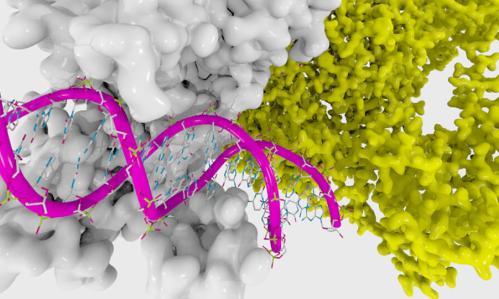
Bryan L. Roth, M.D., Ph.D., NARSAD Scientific Council member, is a well known expert on psychopharmacology. In recent years, he has developed several experimental technologies that are now paying dividends in research...
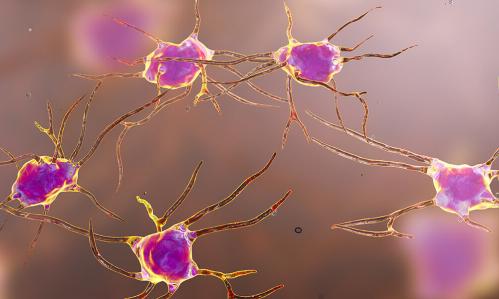
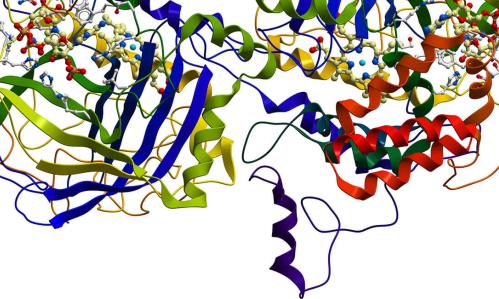
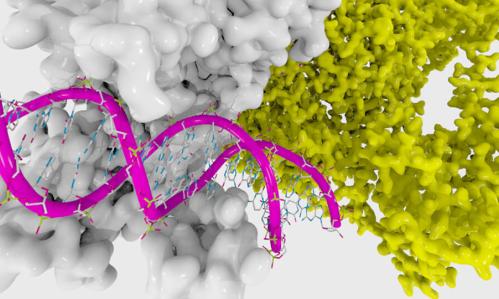
NARSAD Scientific Council member Jonathan Javitch, M.D., Ph.D., of Columbia University, is part of a team that recently determined the structure of one of the five dopamine receptors in the human brain — the culmination...
No one knows better than the Garatt family how far research in mental illness has come – and how far it still has to go. Thirty-three years ago, when Sean Garatt was diagnosed with schizophrenia, his mother, Marcia, was...
Expressed widely throughout the brain, dopamine is a message-carrying molecule called a neurotransmitter, which is involved in a number of regulatory processes related to movement and aspects of cognition such as...


|
To date the Brain & Behavior Research Foundation has provided 2,153 grants worth $140,731,742 to researchers focused on schizophrenia and related mental illnesses. |

DONATE NOW |
Copyright © 2013 the brain & behavior research foundation