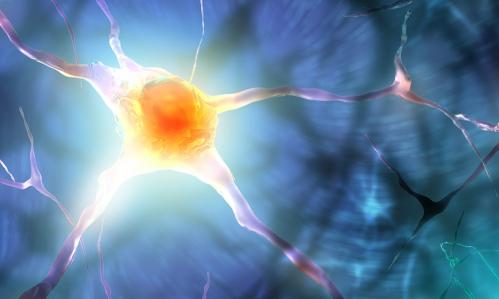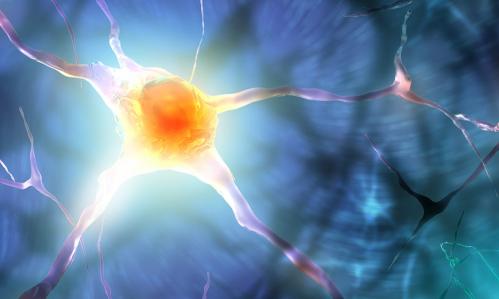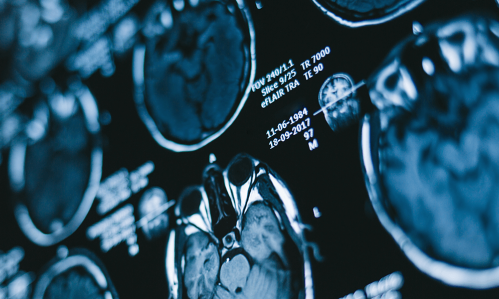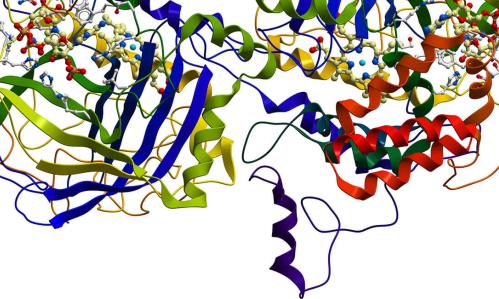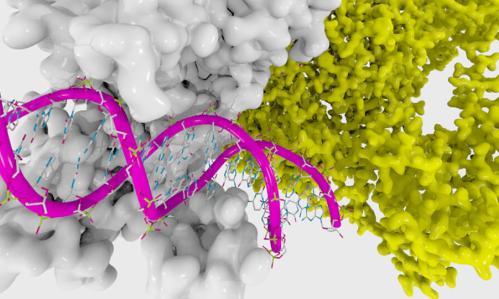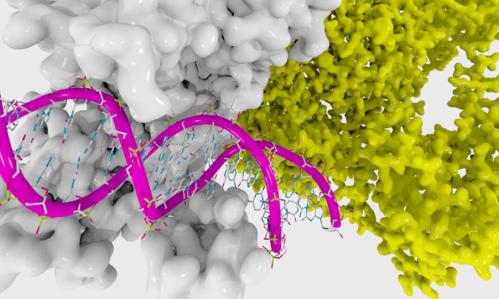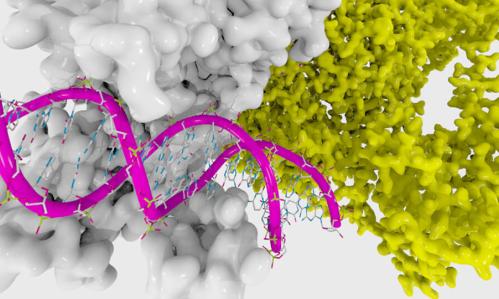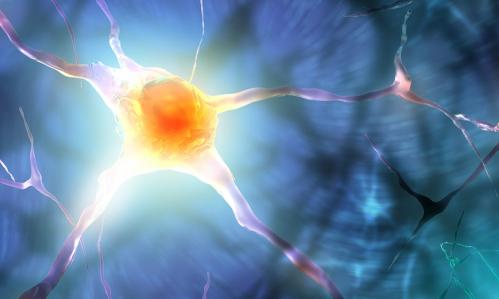

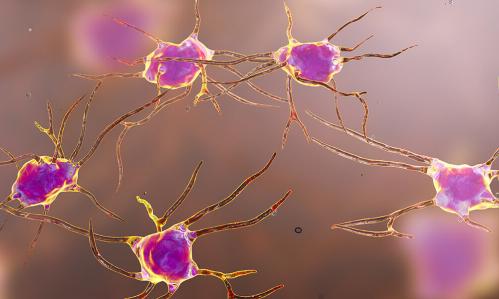
Studies led by NARSAD Young Investigator Grantee Elizabeth Thomas, Ph.D. at Scripps Research Institute show that DNA is too tightly wound in certain brain cells of schizophrenic patients. This is a new discovery of an...
- Mental Illnesses
- Discoveries
- Finding Answers
- Recovery Stories

- NARSAD Grants & Prizes
- Apply for a NARSAD Grant
- Our Scientific Council
- NARSAD Young Investigator Grant
- NARSAD Independent Investigator Grants
- NARSAD Distinguished Investigator Grant
- Klerman & Freedman Prizes
- Outstanding Achievement Prizes
- Productive Lives Awards
- Productive Lives Nomination Form
- Frequently Asked Questions (FAQs)
- Get Involved
You are here
Mental Illnesses ›Schizophrenia
Did you know that schizophrenia affects more than 1 percent of the world's population? See NARSAD Grants at work on the latest schizophrenia research
Schizophrenia is a severe, chronic, and generally disabling brain and behavior disorder. It is most accurately described as a psychosis - a type of illness that causes severe mental disturbances that disrupt normal thoughts, speech, and behavior. Schizophrenia is believed to be caused by a combination of genetic and environmental factors.
Positive symptoms may include delusions, thought disorders, and hallucinations. People with schizophrenia may hear voices other people don't hear, or believe other people are reading their minds, controlling their thoughts, or plotting to harm them. Negative symptoms may include avolition (a lack of desire or motivation to accomplish goals), lack of desire to form social relationships, and blunted affect and emotion. Cognitive symptoms involve problems with attention and memory, especially in planning and organization to achieve a goal. Cognitive deficits are the most disabling for patients trying to lead a normal life.
Visit the Schizophrenia Research Forum, fully sponsored by the Brain & Behavior Research Foundation—a virtual community of scientists collaborating in their quest for causes, improved treatments, and better understanding of schizophrenia.
“What we’re interested in now is intervening early with family intervention, family-focused therapy, to try to determine if we can stave off the onset of the disorder, or at least make it less severe if it does occur.”...
“To understand the brain the way we understand the galaxy, the way we understand the atom. That’s what science is – to ask the question “why?” and find the answer.”
Michael E. Goldberg, M.D....
Hakon Heimer, Editor of the Foundation’s Schizophrenia Research Forum, is receiving this year’s 2011 Media Award by the ACNP (American College of Neuropsychopharmacology). The award recognizes the innovative approach of...
I recently wrote a book intended for the general public in which I examine the involvement of the immune system in autism, schizophrenia and major depressive disorder. The focus is on brain-immune crosstalk, exploring the...
Pages
Stories of recovery
Meet our scientists

Ask an Expert
|
To date the Brain & Behavior Research Foundation has provided 2,153 grants worth $140,731,742 to researchers focused on schizophrenia and related mental illnesses. |

DONATE NOW |