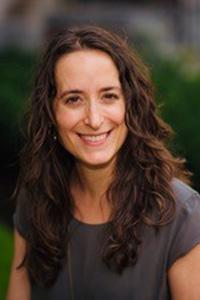

Earlier this month Stephanie Bissiere, Ph.D., and a team of researchers at UCLA successfully made a "long-shot" discovery about the behavioral relevance for electrical communication and gap junctions in the adult brain....
- Mental Illnesses
- Discoveries

- Finding Answers
- Recovery Stories

- NARSAD Grants & Prizes
- Apply for a NARSAD Grant
- Our Scientific Council
- NARSAD Young Investigator Grant
- NARSAD Independent Investigator Grants
- NARSAD Distinguished Investigator Grant
- Klerman & Freedman Prizes
- Outstanding Achievement Prizes
- Productive Lives Awards
- Productive Lives Nomination Form
- Frequently Asked Questions (FAQs)
- Get Involved
You are here
Mental Illnesses ›Post-Traumatic Stress Disorder (PTSD)
Did you know that almost half of all Americans with Post-Traumatic Stress Disorder (PTSD) are receiving minimally adequate treatment?
Post-traumatic stress disorder (PTSD) develops after a terrifying ordeal that involved physical harm or the threat of physical harm. The person who develops PTSD may have been the one who was harmed, the harm may have happened to a loved one, or the person may have witnessed a harmful event that happened to loved ones or strangers.
This week Guy Fessenden is running through Dallas, Texas, continuing his journey across the United States in a personal campaign – ‘A Father’s Journey’ – to raise money in support of breakthrough scientific research for...
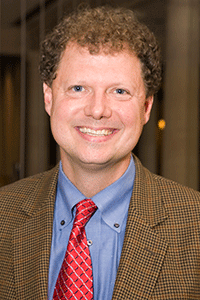
NARSAD Independent Investigator Dr. Amelia J. Eisch at the University of Texas Southwestern Medical Center at Dallas seeks to explain why some individuals exposed to extreme stress are more susceptible to developing major...
Dr. Alexander Neumeister, Department of Psychiatry, Mount Sinai School of Medicine, tracks the response of stress on the serotonin system in the brain and discovers that people who experience trauma early in life have a...
Donna Morrissey invests in brain and behavior research hoping for development of better diagnostic tools for people, like her son, living with mental illness.
The misdiagnosis of Donna Morrissey’s son, Michael,...
Pages
Stories of recovery

Meet our scientists

Ask an Expert
|
The Brain & Behavior Research Foundation has provided more than 4,000 grants worth $275,947,302 to researchers studying brain and behavior disorders worldwide. |
DONATE NOW |