
A pair of small almond-shaped structures called the amygdalae are often said to be the human brain’s “fear centers.” Many experiments have shown their involvement in the fear response—a complex series of biological...

You are here
Mental Illnesses ›Post-Traumatic Stress Disorder (PTSD)
Did you know that almost half of all Americans with Post-Traumatic Stress Disorder (PTSD) are receiving minimally adequate treatment?
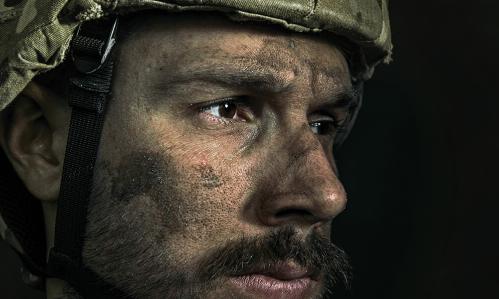
Post-traumatic stress disorder (PTSD) develops after a terrifying ordeal that involved physical harm or the threat of physical harm. The person who develops PTSD may have been the one who was harmed, the harm may have happened to a loved one, or the person may have witnessed a harmful event that happened to loved ones or strangers.
Research being done in the laboratory of NARSAD Young Investigator Grantee Steven Laviolette, Ph.D. has revealed a way to suppress memories that may lead to new treatments for both Post-Traumatic Stress Disorder (PTSD)...

NARSAD Young Investigator Grantee Elisabeth Binder, M.D., Ph.D., Research Group Leader at the Max Planck Institute of Psychiatry, was part of a study group that demonstrated that traumatic experiences can cause lasting...
Kerry J. Ressler, M.D., Ph.D., Brain & Behavior Research Foundation Scientific Council member, is among the 70 newly elected members of the Institute of Medicine (IOM). Election to the IOM is one of the highest honors...
Scientific Council Member Dennis Charney, M.D., who will be the commentator at the Foundation’s 24th Annual Mental Health Research Symposium on October 26th, is currently featured on the website Big Think. The goal of Big...
Pages
Stories of recovery

Meet our scientists

Ask an Expert
|
The Brain & Behavior Research Foundation has provided more than 4,000 grants worth $275,947,302 to researchers studying brain and behavior disorders worldwide. |
DONATE NOW |