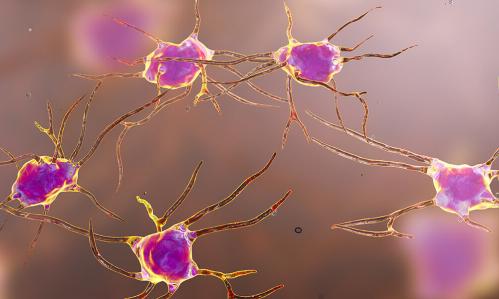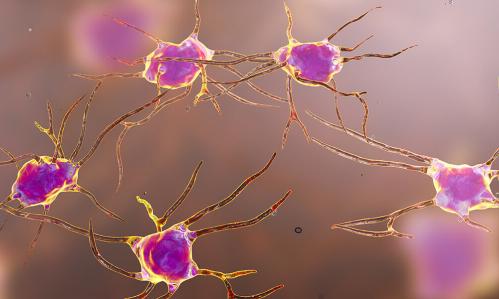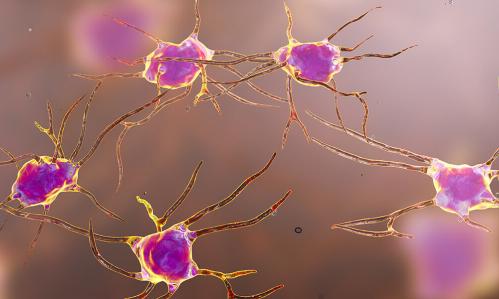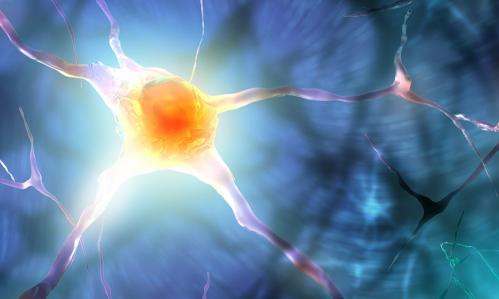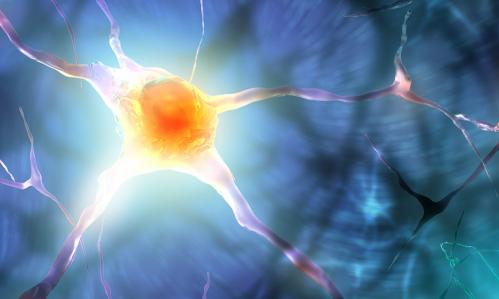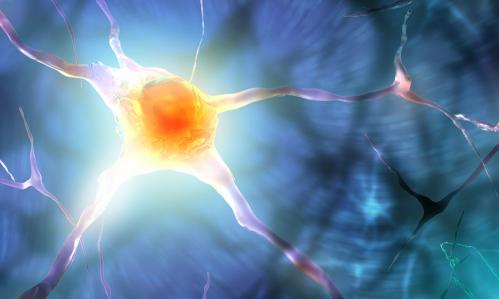

Patients with depression tend to smoke a lot, which led to the idea that nicotine may ease depressive symptoms. Research has shown how the process works. Nicotine binds to particular receptor molecules on the surface of...
You are here
Mental Illnesses ›Depression
Did you know that almost 7% of the U.S. population is diagnosed with depression?
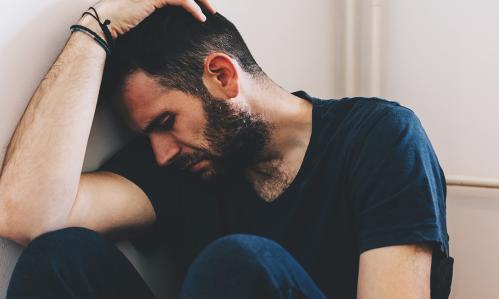
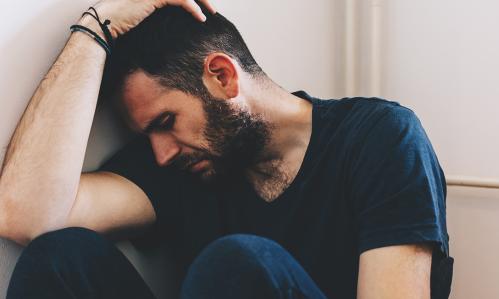
Clinical depression is a serious condition that negatively affects how a person thinks, feels, and behaves. In contrast to normal sadness, clinical depression is persistent, and significantly interferes with daily life. Untreated, symptoms can last for weeks, months, or years; and if inadequately treated, depression can lead to other health-related issues. Symptoms include: a depressed mood most of the day, every day; diminished interest in daily activities; changes in appetite and sleeping patterns; fatigue; restlessness; anxiety; feelings of worthlessness or helplessness; difficulty concentrating; increased alcohol or drug use; thoughts of death or suicide.
Three-time NARSAD Grantee talks about his groundbreaking work on depression since the 1980s
When did your research career begin, and what made you pursue research on depression in particular?
My...
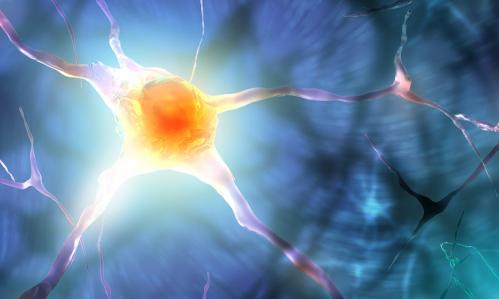
Childhood trauma, such as sexual or physical abuse, domestic violence, neglect or parental loss, can have long-lasting consequences. Researchers are exploring the effects of early trauma on the stress-response systems...
Earlier this year, in April, Dr. Sanjay Gupta, Chief Medical Correspondent for ‘CNN Presents,’ produced a special segment on deep brain stimulation (DBS). See the video at bbrfoundation.org/cnn-video.
Currently...
A ‘bottom up’ approach to understanding the brain leads to crucial new discoveries
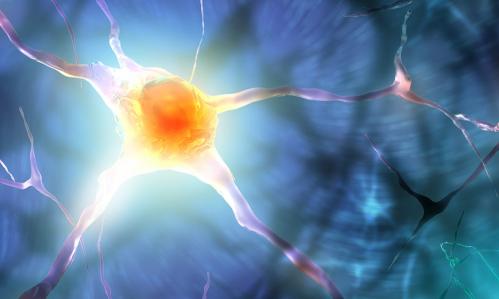
What causes depression? Experience tells us that people can become depressed when they are under acute or chronic stress...
Pages
Stories of recovery

Meet our scientists

Ask an Expert
|
To date the Brain & Behavior Research Foundation has provided 949 grants worth $61,005,140 to researchers focused on depression and related mental illnesses. |
DONATE NOW |