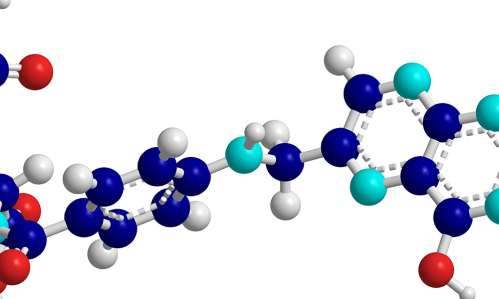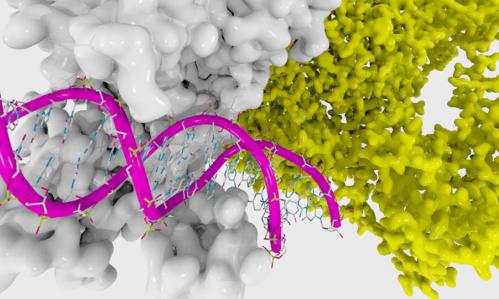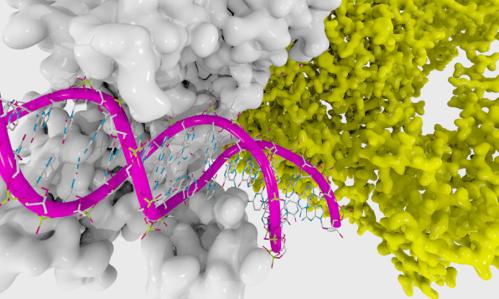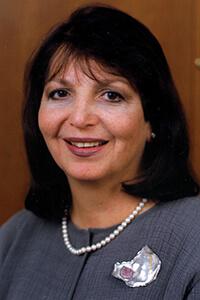

NARSAD Scientific Council member Jonathan Javitch, M.D., Ph.D., of Columbia University, is part of a team that recently determined the structure of one of the five dopamine receptors in the human brain — the culmination...
- Mental Illnesses
- Discoveries

- Finding Answers
- Recovery Stories

- NARSAD Grants & Prizes
- Apply for a NARSAD Grant
- Our Scientific Council
- NARSAD Young Investigator Grant
- NARSAD Independent Investigator Grants
- NARSAD Distinguished Investigator Grant
- Klerman & Freedman Prizes
- Outstanding Achievement Prizes
- Productive Lives Awards
- Productive Lives Nomination Form
- Frequently Asked Questions (FAQs)
- Get Involved
You are here
Mental Illnesses ›Depression
Did you know that almost 7% of the U.S. population is diagnosed with depression?
Clinical depression is a serious condition that negatively affects how a person thinks, feels, and behaves. In contrast to normal sadness, clinical depression is persistent, and significantly interferes with daily life. Untreated, symptoms can last for weeks, months, or years; and if inadequately treated, depression can lead to other health-related issues. Symptoms include: a depressed mood most of the day, every day; diminished interest in daily activities; changes in appetite and sleeping patterns; fatigue; restlessness; anxiety; feelings of worthlessness or helplessness; difficulty concentrating; increased alcohol or drug use; thoughts of death or suicide.
Mental illness is a major risk factor for cardiovascular disease and early death. People with depression and diabetes experience very high rates of stroke, heart attacks and renal failure. Current research is focused on...
A key environmental factor contributing to and highly predictive of psychiatric illness is stress. Children with a history of trauma or maltreatment are at enormous lifetime risk for anxiety, depression, PTSD, suicide,...
No one knows better than the Garatt family how far research in mental illness has come – and how far it still has to go. Thirty-three years ago, when Sean Garatt was diagnosed with schizophrenia, his mother, Marcia, was...
The work of a NARSAD Young Investigator could help cast a new light on how a timing system in our body responsive to the day/night cycle generated by the rotation of the Earth is implicated in seasonal depression. Part of...
Pages
Stories of recovery

Meet our scientists

Ask an Expert
|
To date the Brain & Behavior Research Foundation has provided 949 grants worth $61,005,140 to researchers focused on depression and related mental illnesses. |

DONATE NOW |