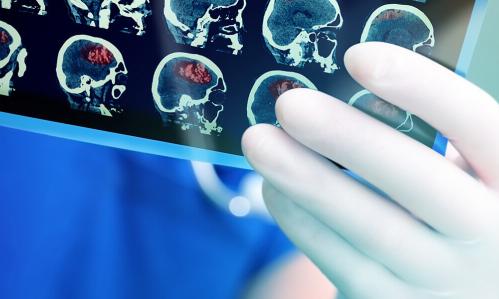

In 1988, NARSAD Distinguished Investigator Grantee, David A. Brent, M.D. made significant discoveries leading to the identification of risk factors for youth suicide. Until his research in the late 1980s, the media...
- Mental Illnesses
- Discoveries

- Finding Answers
- Recovery Stories

- NARSAD Grants & Prizes
- Apply for a NARSAD Grant
- Our Scientific Council
- NARSAD Young Investigator Grant
- NARSAD Independent Investigator Grants
- NARSAD Distinguished Investigator Grant
- Klerman & Freedman Prizes
- Outstanding Achievement Prizes
- Productive Lives Awards
- Productive Lives Nomination Form
- Frequently Asked Questions (FAQs)
- Get Involved
You are here
Mental Illnesses ›Depression
Did you know that almost 7% of the U.S. population is diagnosed with depression?
Clinical depression is a serious condition that negatively affects how a person thinks, feels, and behaves. In contrast to normal sadness, clinical depression is persistent, and significantly interferes with daily life. Untreated, symptoms can last for weeks, months, or years; and if inadequately treated, depression can lead to other health-related issues. Symptoms include: a depressed mood most of the day, every day; diminished interest in daily activities; changes in appetite and sleeping patterns; fatigue; restlessness; anxiety; feelings of worthlessness or helplessness; difficulty concentrating; increased alcohol or drug use; thoughts of death or suicide.
Optogenetics, a new technology invented by Karl Deisseroth, M.D., Ph.D., in 2005 with the help of a NARSAD Young Investigator Grant, gives researchers extraordinary control over specific brain circuits — and with it, new...
NPR’s ‘Morning Edition’ featured two Brain & Behavior Research Foundation Scientific Council Members on the topic of depression, neuroscience and Prozac as ‘a blockbuster’. The term “chemical imbalance” has referred...
Cognitive abilities tend to decline with age. Although there is considerable variability in degree from one person to another, a large percentage of the very old develop dementia. By contrast, depression is not a normal...

An Impressive Year of Progress: from establishing early intervention techniques and working toward diagnostic tools, to proving the effectiveness of next generation therapies, to advancing basic research and our...

Pages
Stories of recovery
Meet our scientists

Ask an Expert
|
To date the Brain & Behavior Research Foundation has provided 949 grants worth $61,005,140 to researchers focused on depression and related mental illnesses. |
DONATE NOW |