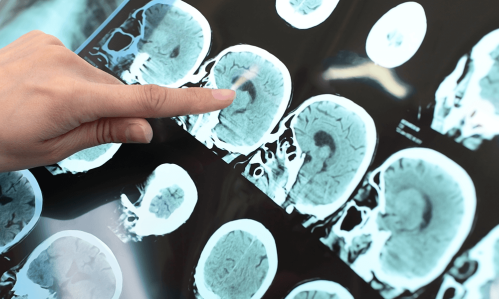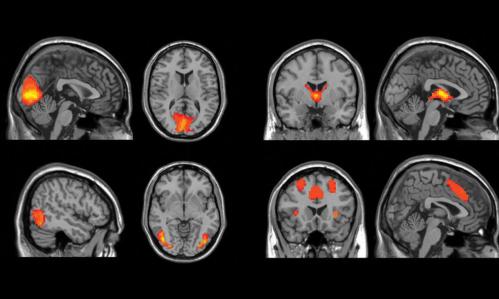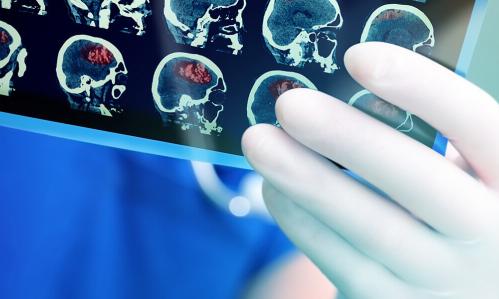

NARSAD Grantee Linda Carpenter, M.D., is the lead author of a newly published study that demonstrates for the first time that transcranial magnetic stimulation (TMS), which uses an external magnet to non-invasively...
- Mental Illnesses
- Discoveries

- Finding Answers
- Recovery Stories

- NARSAD Grants & Prizes
- Apply for a NARSAD Grant
- Our Scientific Council
- NARSAD Young Investigator Grant
- NARSAD Independent Investigator Grants
- NARSAD Distinguished Investigator Grant
- Klerman & Freedman Prizes
- Outstanding Achievement Prizes
- Productive Lives Awards
- Productive Lives Nomination Form
- Frequently Asked Questions (FAQs)
- Get Involved
You are here
Mental Illnesses ›Depression
Did you know that almost 7% of the U.S. population is diagnosed with depression?
Clinical depression is a serious condition that negatively affects how a person thinks, feels, and behaves. In contrast to normal sadness, clinical depression is persistent, and significantly interferes with daily life. Untreated, symptoms can last for weeks, months, or years; and if inadequately treated, depression can lead to other health-related issues. Symptoms include: a depressed mood most of the day, every day; diminished interest in daily activities; changes in appetite and sleeping patterns; fatigue; restlessness; anxiety; feelings of worthlessness or helplessness; difficulty concentrating; increased alcohol or drug use; thoughts of death or suicide.
Two Brain & Behavior Research Foundation Scientific Council Members have announced promising results of clinical trials of a ketamine-alternative called BCI-838 for the treatment of depression. Ketamine works within...
A recently published study led by Brain & Behavior Research Foundation Scientific Council Member Robert Malenka, M.D, Ph.D. identifies a new molecular mechanism responsible for anhedonia, or the inability to...

Elevated levels of a class of hormones called glucocorticoids have long been linked to anxiety disorders and depression. It is known that the presence of too much of these hormones mediates what we call ‘stress’ and that...


Ronald S. Duman, Ph.D., a professor of psychiatry at the Yale School of Medicine, is the principal author of a new study that has found that the gene neuritin, which is responsible for keeping healthy neuron connections...
Pages
Stories of recovery
Meet our scientists

Ask an Expert
|
To date the Brain & Behavior Research Foundation has provided 949 grants worth $61,005,140 to researchers focused on depression and related mental illnesses. |
DONATE NOW |