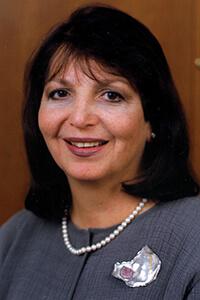

A new study published online in the Archives of General Psychiatry on July 2 found that a family history of schizophrenia and/or bipolar disorder is a risk factor for autism.
Patrick F. Sullivan, M.D., Professor...
Bipolar disorder causes dramatic mood swings—from feeling overly “high” and/or irritable to sad and hopeless, and then back again, often with periods of normal mood in between. Severe changes in energy and behavior go along with these episodes. The periods of highs and lows are called episodes of mania and depression. It is often not recognized as an illness, and people may suffer for years before it is properly diagnosed and treated.
A new study published online in the Archives of General Psychiatry on July 2 found that a family history of schizophrenia and/or bipolar disorder is a risk factor for autism.
Patrick F. Sullivan, M.D., Professor...
Marco P. Boks, M.D., Ph.D., Rudolf Magnus Institute of Neuroscience, 2009 NARSAD Young Investigator Grantee: "Methylation as an Epigenetic Cause of Schizophrenia"
My idea is not entirely new and not entirely...
One of the largest studies to investigate birth complications and later mental health has found that premature birth (less than 32 weeks gestation) constitutes a single, independent risk factor for a range of severe brain...
One of the first NARSAD Grantees reflects on his long and fruitful relationship with the Foundation.

When did your research career begin, and what made you pursue adolescent psychiatry and mood disorder research,...
Disruption of the circadian clock, the 24-hour cycle of waking and sleeping, can increase the risk of a range of illnesses and can exacerbate stress, anxiety and mood disorders, including bipolar disorder, major...
|
To date the Brain & Behavior Research Foundation has provided 468 grants worth $31,315,845 to researchers focused on bipolar disorder and related mental illnesses. |
DONATE NOW |
Copyright © 2013 the brain & behavior research foundation